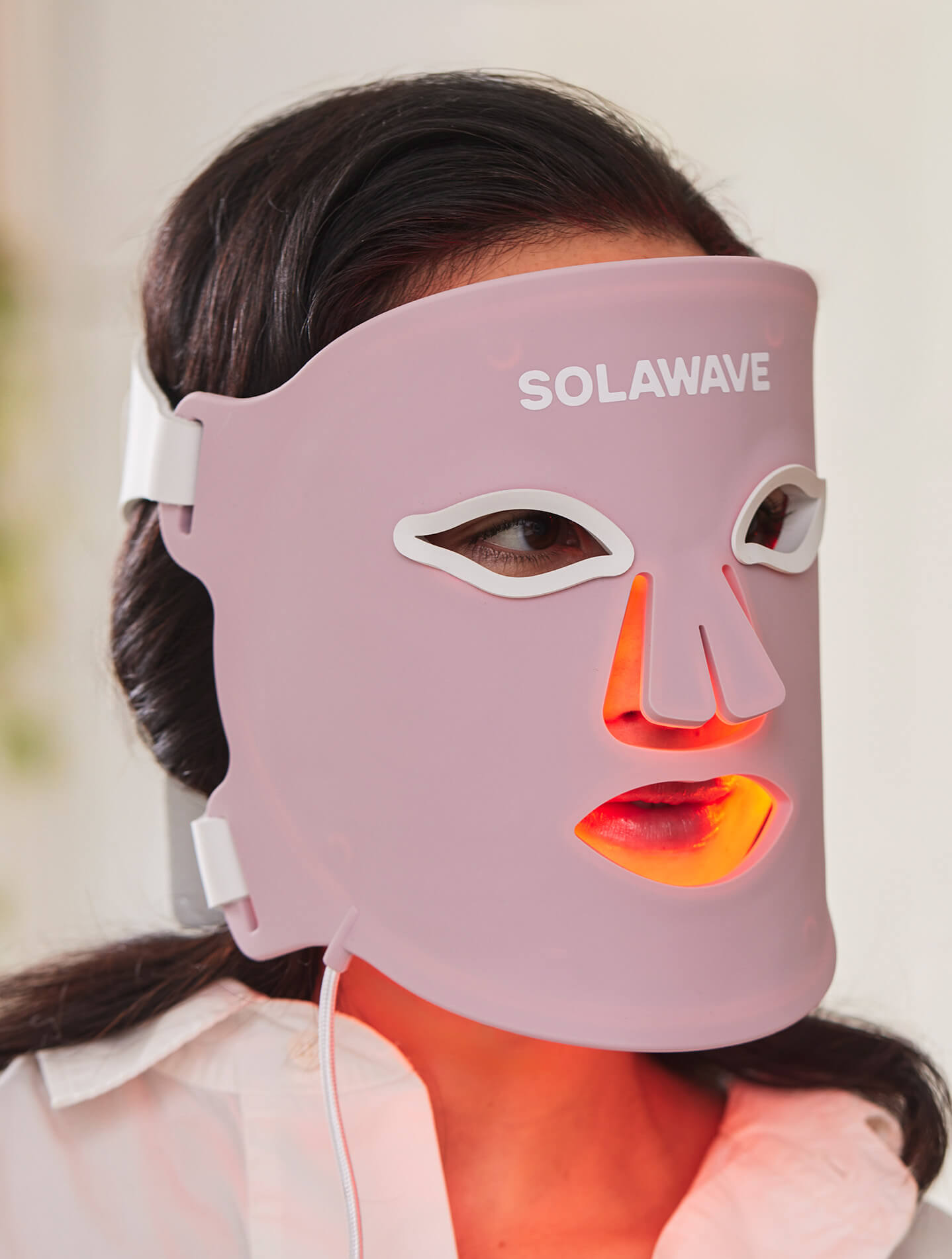
Solawave Wrinkle Retreat Pro Mask

FAQ 202 – Face Mask

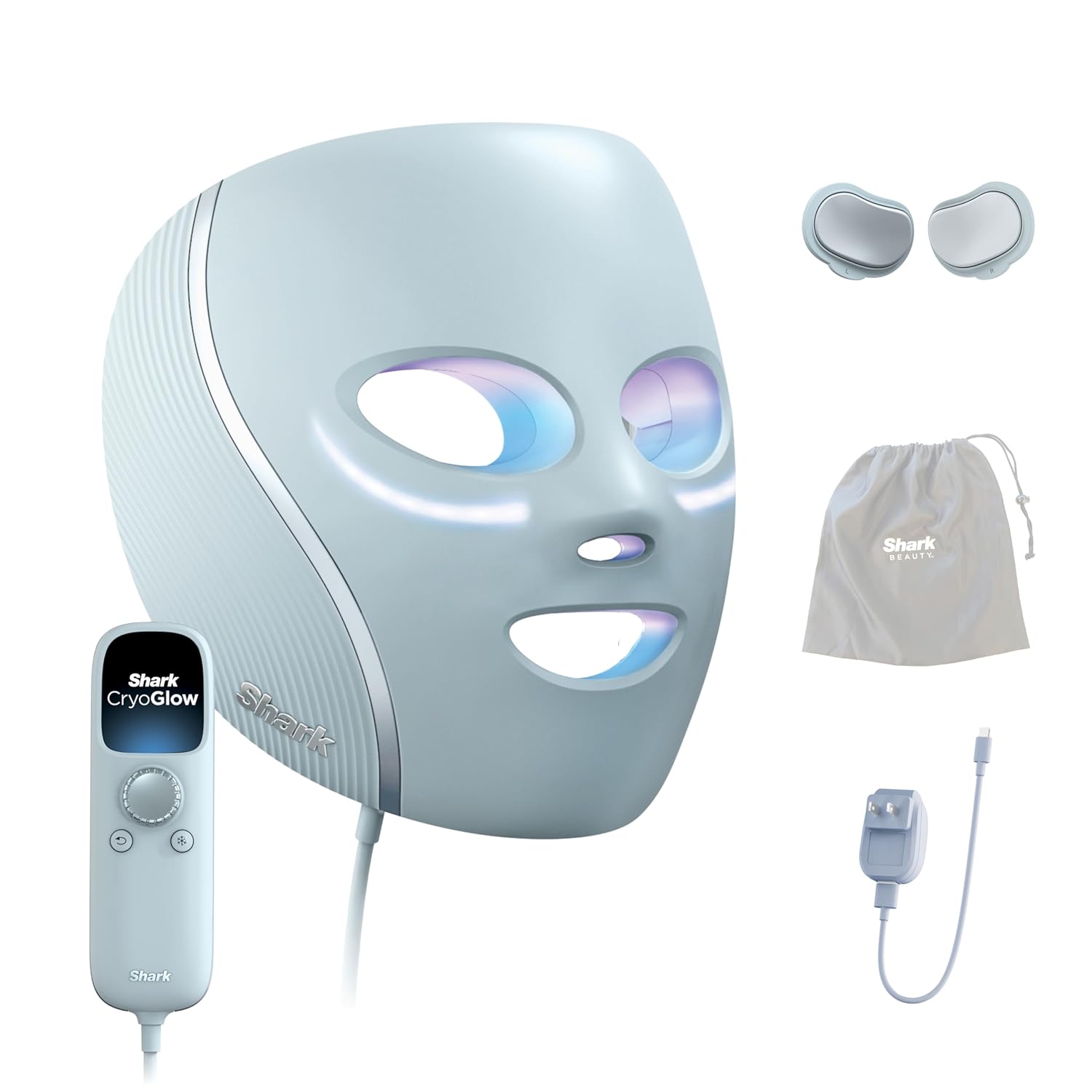
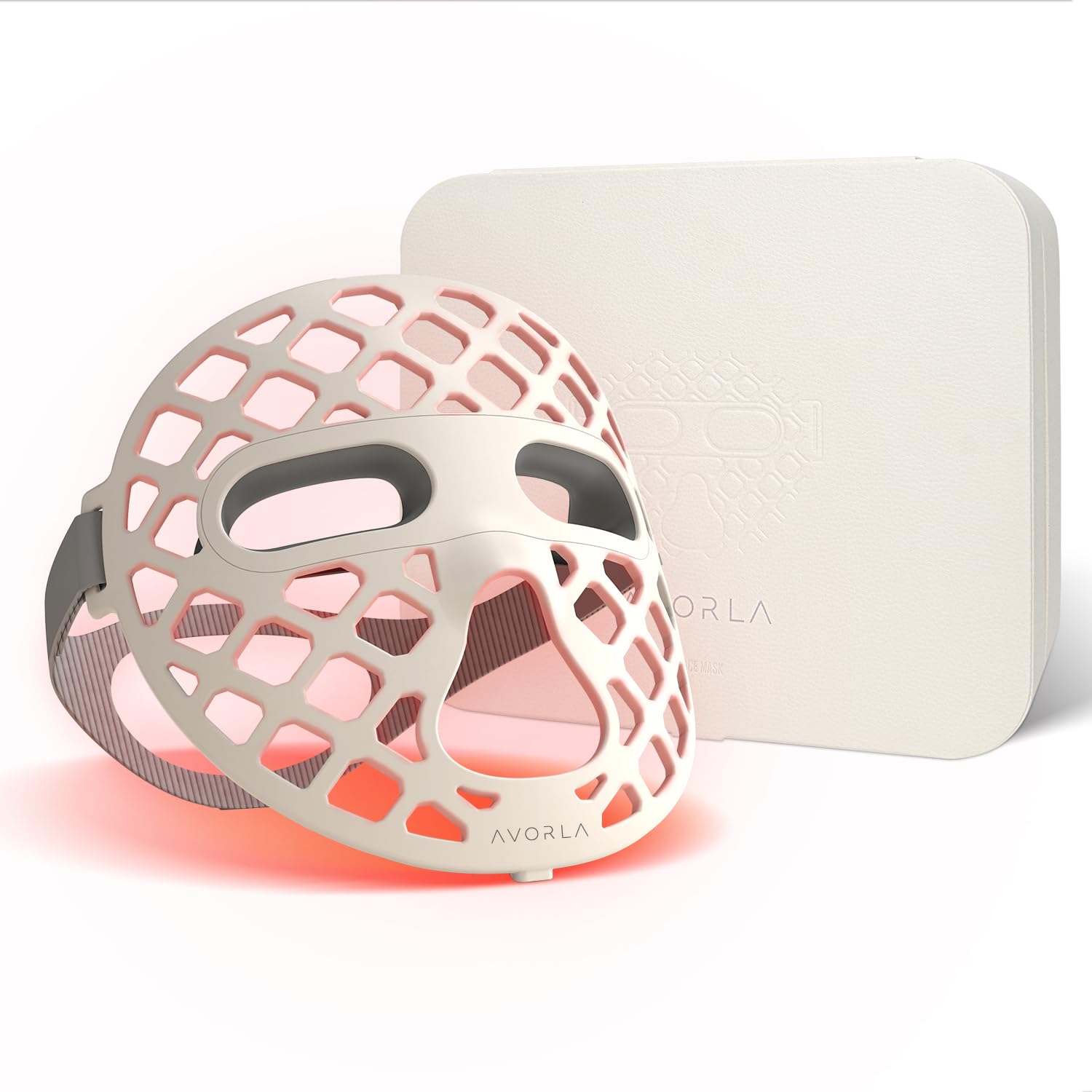
Shark Cryoglow Mask
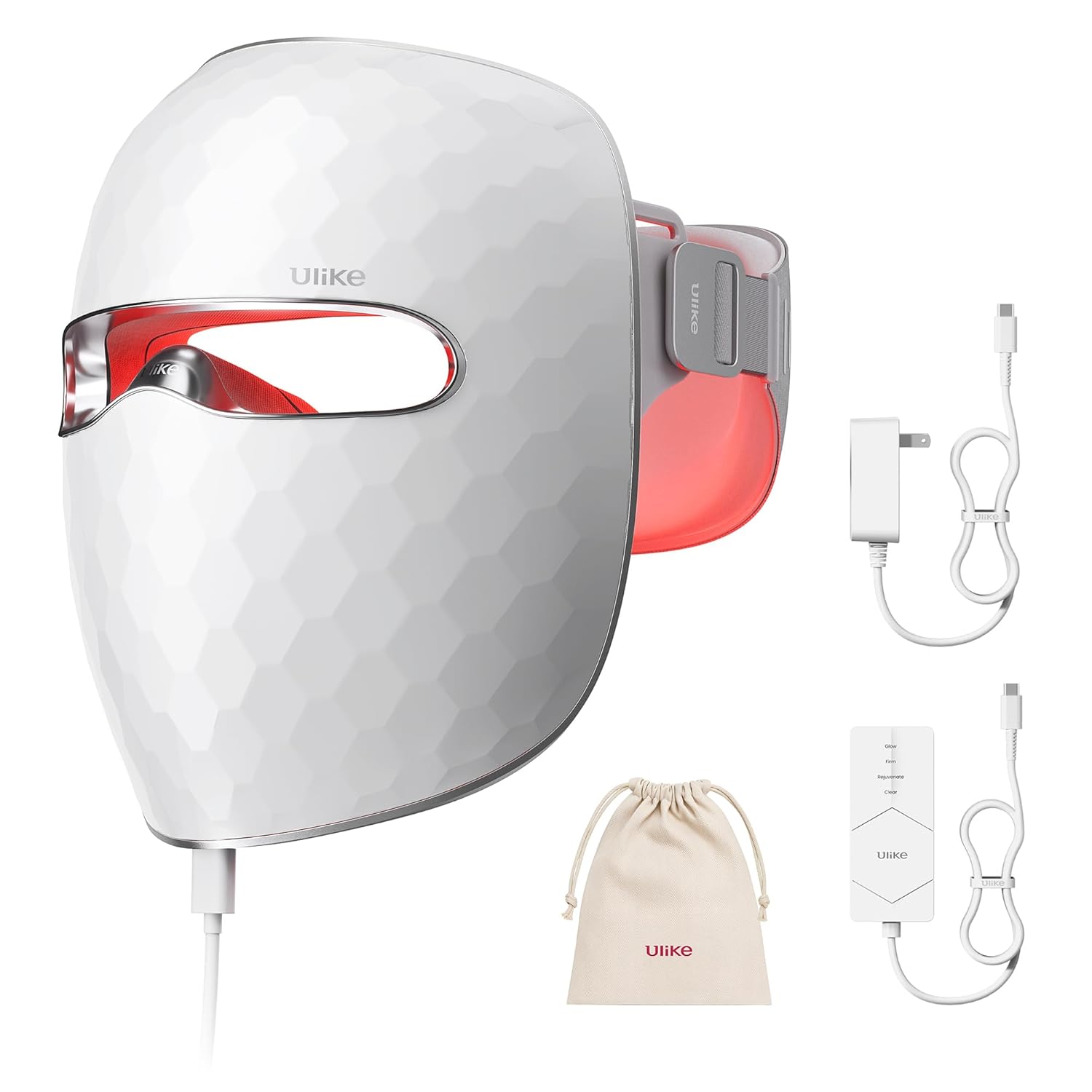
Ulike ReGlow LED Mask

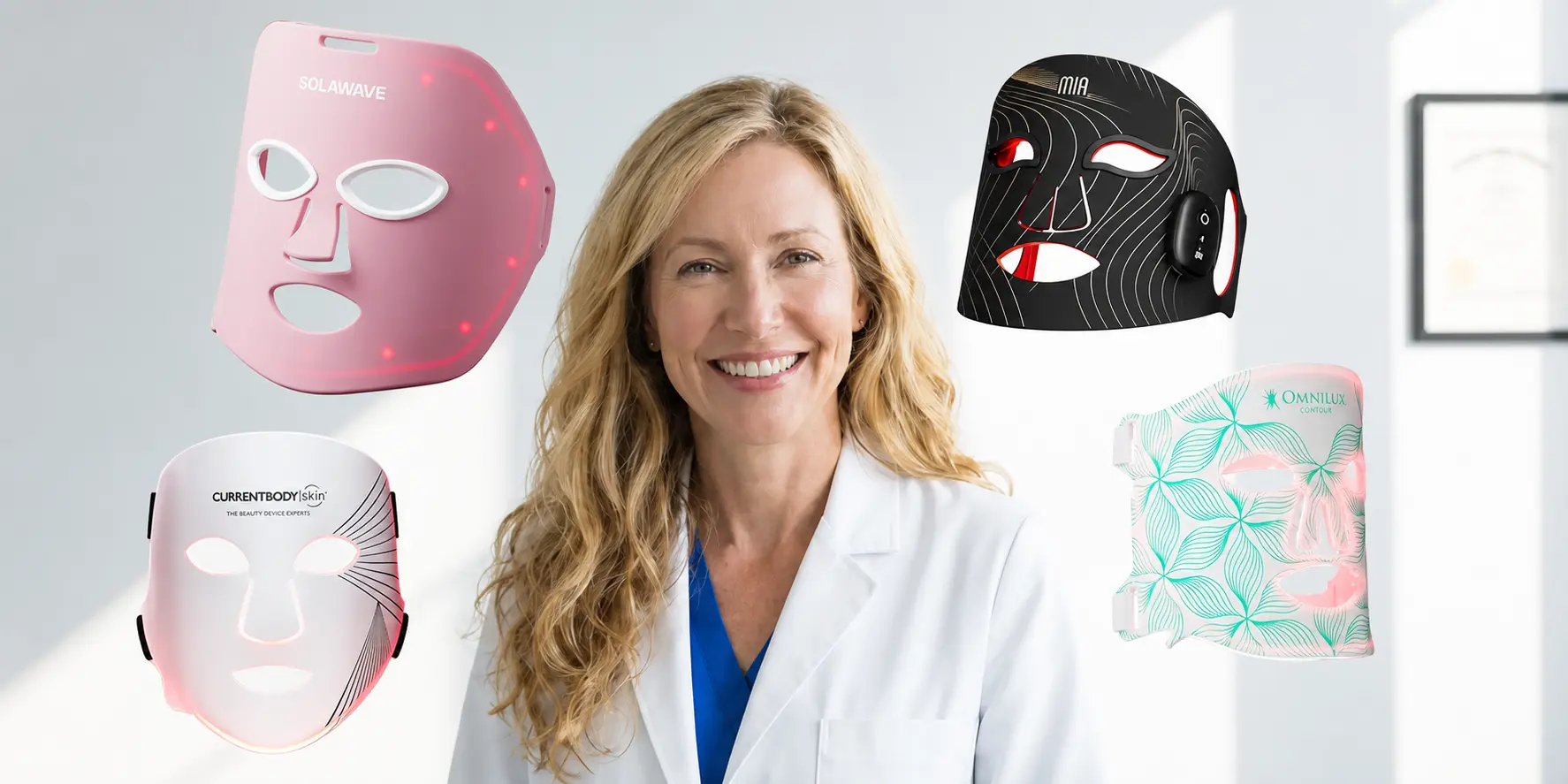
Evaluated by top doctors, dermatologists, and research scientists
Skincare isn’t just about products anymore - it’s about technology. As people look for treatments that are safer, more effective, and more personalized, the industry has moved toward solutions backed by real clinical research.
What was once reserved for doctor or dermatologist settings is slowly becoming accessible at home. Treatments that support skin healing, boost radiance, and improve overall skin function are no longer out of reach.
Among these innovations, one has gained particular attention from dermatologists and researchers alike - a gentle, non-invasive approach that helps the skin perform at its best. It’s called LED light therapy, and it’s changing how we think about daily skincare.
You may have heard that blue light helps with acne while red light supports anti-aging, and both are true - each wavelength interacts with the skin in a specific, purposeful way. And despite how futuristic these masks may look, they’re not delivering anything harmful; there’s no UV exposure involved.
But with so many LED masks claiming powerful results, it’s natural to wonder what’s real. Do at-home devices deliver meaningful benefits? How exactly does light therapy work? And is it worth investing in a pricier device, or will a basic one do?
Before choosing a mask, it’s helpful to understand what the research shows - and how different wavelengths affect your skin.

Here’s the thing: LED light therapy isn’t a trend. It’s real science that finally made its way into everyday skincare. It's been around for 30+ years!
LED therapy was used in medical settings - for wound healing, calming inflammation, and supporting tissue repair. Over time, dermatologists adopted it. And now, thanks to safer and more affordable technology, it’s something people can use at home a few times per week.
But what is it?
Light therapy uses gentle, non-UV light in different colors to give your skin cells extra energy so they can repair themselves, produce more collagen, calm inflammation, and stay healthier overall.
When your skin cells are operating at their best, you get so many improvements: pigmentation, wrinkles, fine lines, breakouts, under eye bags, psoriasis, inflammation, and overall skin health.
Your skin already responds to light every day (just think about how sunlight affects mood and sleep). LED therapy takes that idea and applies it in a controlled, therapeutic way using wavelengths that have been studied for decades.
.png)
The benefits go deeper than your skin and collagen. LED light therapy doesn’t just help your skin—it can also be good for your mood. Many people say that even short sessions under LED lights make them feel happier and less stressed.
Here’s why: LED light helps your body make more ATP, which gives your cells energy, and it can raise your serotonin levels—the chemical that helps boost your mood.

LED light therapy isn’t a quick fix-it’s something that works best over time. Think of it like putting money in a savings account: the more consistent you are, the bigger the results. Short, regular sessions add up and create real changes in your skin.
%20(1).webp)
.webp)
.webp)


It really depends on your situation.
If you’re looking for the combination of proven results, accessible pricing, comfortable fit, and minimal treatment time, we strongly suggest the Solawave Wrinkle Retreat Pro. If you struggle with melasma, none of these options are a guaranteed fit for you. Consult your doctor first. If you have dark, melanated skin, we recommend consulting your doctor as well.
And lastly, if you have the space (and a $5,000 budget), and want to treat your entire body each time, we recommend the EXESAS 5040-PRO panel.

I am a clinician-researcher with a strong interest in evidence-based, noninvasive treatments that support skin health and overall wellness. Her work focuses on the clinical applications of light-based therapies, exploring how emerging technologies can be safely integrated into patient care. Through her writing for the Light Therapy Institute, she aims to translate current research into clear, practical insights for both practitioners and the broader public.