








The Red Light Therapy Coupon Pack

Save up to $500 on dermatologist-approved LED devices. We'll send you exclusive discounts from the top-ranked brands in our review, starting with our #1 pick.

πŸŽ‰ Offer unlocked

Your Solawave discount is ready

Tap below to claim the exclusive offer on our #1-ranked pick. Then keep an eye on your inbox β€” the rest of your coupon pack is on its way.

Claim My Solawave Discount β†’

We may earn a commission if you buy through our links, at no extra cost to you β€” see our Affiliate Disclosure.

Oops! Something went wrong while submitting the form.

By subscribing, you agree to receive marketing emails from The Light Therapy Institute. Unsubscribe anytime. Your information is handled per our Privacy Policy. We may earn a commission if you buy through our links (Affiliate Disclosure).

Free Coupon Pack

Independent review Β· Updated August 2026

The 7 best red light therapy masks of 2026

We read 11 clinical trials, checked every FDA clearance, and scored the biggest masks on light output, wavelengths, coverage, and price. Every claim on this page links to a published study.

See the rankings ↓ Take the 30-second quiz
11 peer-reviewed sources FDA-cleared picks only No sponsored placements

Reader-supported. If you buy through our links we may earn a commission. It has never changed a ranking. How we review β†’

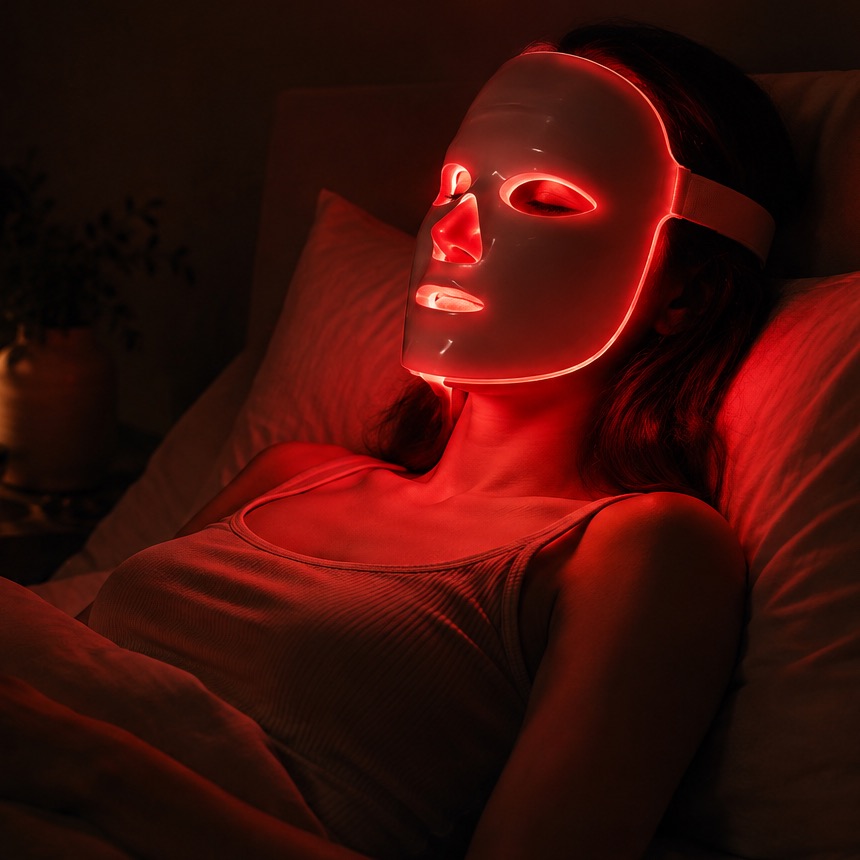
A person mid-session wearing a glowing red LED light therapy mask

Good light vs. bad light

Screen light works against you. Red light works for you.

You soak in artificial light all day: TV, computer, phone. None of it helps your skin, and the blue-heavy glow actively works against you at night. A mask is the same physics pointed the other way.

WORKS AGAINST YOU

Screens & artificial light

  • βœ•Blue-heavy glow at night disrupts your sleep cycle, and skin repairs itself during sleep
  • βœ•Lab studies tie blue light exposure to oxidative stress in skin cells
  • βœ•Hours of passive exposure every day, zero repair benefit
  • βœ•Scattered, weak, uncontrolled. You never get to choose the dose.
WORKS FOR YOU

Red + infrared light therapy

  • βœ“Red 630–660nm raises cellular energy and collagen production
  • βœ“Near-infrared reaches deeper tissue for repair
  • βœ“77% fewer acne lesions and 36% shallower wrinkles in clinical trials
  • βœ“A controlled dose in minutes. Zero UV, zero downtime.

Same physics, opposite direction: screens drain you passively, a mask doses you on purpose.

Wavelengths between 600 and 1100nm pass into tissue, where an enzyme in your mitochondria called cytochrome c oxidase absorbs them. Absorption raises ATP production, and ATP is the energy cells spend on repair. Hamblin MR, AIMS Biophysics, 2017 Β· read the paper
βœ“ No UV. This is not a tanning device. βœ“ Non-ionizing, no downtime βœ“ Eye safety: close your eyes or use the included shields βœ“ "FDA-cleared" is the real bar. We explain it in the FAQ.

The origin

NASA accidentally discovered light therapy

Red light therapy did not come from the beauty industry. It came from a plant experiment that surprised the people running it.

In the 1990s NASA grew plants aboard the Space Shuttle under red LED panels. The plants did fine. The surprise was on the scientists' hands: cuts and scrapes seemed to heal faster under the red light. NASA funded clinical research to find out why, and the 2001 results showed 670 to 880nm LED light speeding wound healing in humans.

Dermatology took it from there. Clinics adopted it first. Once LED hardware got cheap, it reached your bathroom shelf.

Whelan's team reported that LED irradiation at 670, 728, and 880nm increased cell growth and accelerated wound healing in clinical and laboratory models. This is the study that moved red light from botany into medicine. Whelan HT et al., J Clin Laser Med Surg, 2001 Β· read the paper
Astronaut tending plants under red LED grow panels aboard a space station
1993–2001

The Shuttle's plant lights healed the scientists' skin

NASA's red LED panels were built for plants. Cuts on the researchers' hands healed faster under them, and the funded human wound-healing trials published in 2001.

2007–2014

First human trials prove it on skin: wrinkles down 36%

Split-face testing cut wrinkle severity by 36%, and a 136-person controlled trial verified collagen growth on ultrasound.

2013–2020

FDA clears the first home masks

A double-blind trial of a home device cut acne lesions 77%. Masks began earning Class II FDA clearance for wrinkles and acne.

2023–2026

Independent reviews pool the trials and confirm the results

Meta-analyses in 2023 and 2025 agree: consistent benefits, clean safety record. The hardware outlived the hype cycle.

The mechanism

Red light reaches 3mm deep and restarts collagen production

A session looks like nothing: a red glow, closed eyes, a few quiet minutes. Under the surface it runs a specific chain reaction. The trials in the next section measured what that chain produces.

EPIDERMIS Β· where creams stop DERMIS Β· collagen is built here SUBCUTIS Β· near-infrared reaches here 1mm 3mm 5mm
STEP 1

Photons reach the dermis

Red light penetrates 2 to 3mm. Near-infrared passes 4mm. Creams stop at a fraction of that depth.

STEP 2

Mitochondria absorb the light

An enzyme in your mitochondria absorbs these exact wavelengths, and ATP output rises. The cell has more energy to spend.

STEP 3

Fibroblasts build collagen

Fibroblasts are the collagen factories. With more ATP they produce new collagen and elastin, and local circulation picks up.

Simplified cross-section. Mechanism: Hamblin, 2017. Penetration depths: Avci et al., 2013. The change builds over weeks of consistent use.

The wavelengths

Six wavelengths, six different jobs

Tap a wavelength for its depth, its job, and our honest read on the evidence. Red and near-infrared carry decades of trials. Green and amber are promising and thinner. Each panel lists the masks that carry that wavelength, because that is the spec that should drive your pick.

The clinical record

Acne down 77%. Wrinkles down 36%. All peer-reviewed.

All six numbers come from peer-reviewed clinical trials, most of them randomized and controlled, several run on at-home devices. Meta-analyses in 2023 and 2025 pooled the trials and reached the same conclusion: consistent use produces measurable change. Every card links to its paper.

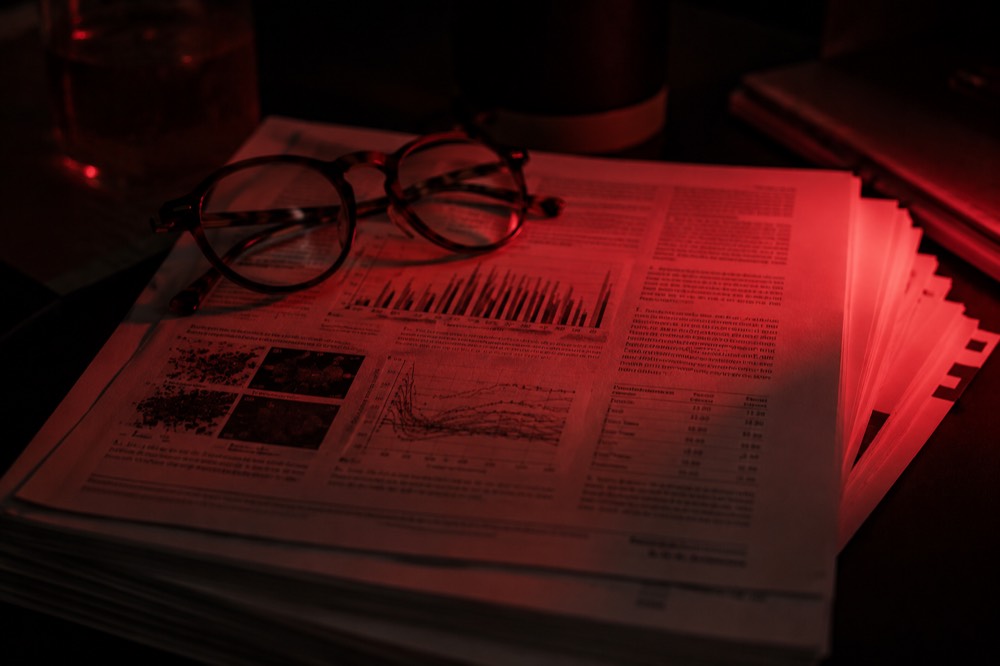
A stack of printed clinical journal pages under red light with reading glasses on top
77%

Fewer inflammatory acne lesions

After 12 weeks with a home-use blue and red LED device.

DOUBLE-BLIND RCT Kwon et al., Br J Dermatology, 2013

54%

Fewer non-inflammatory lesions

Same trial, second endpoint: whiteheads and blackheads fell too.

DOUBLE-BLIND RCT Kwon et al., Br J Dermatology, 2013

36%

Reduction in wrinkle severity

Combined 830 and 633nm LED over 12 weeks. Biopsies showed new collagen and elastic fibers.

SPLIT-FACE RCT Lee et al., J Photochem Photobiol B, 2007

30%

Less periocular wrinkle volume

Measured by 3D imaging around the eyes in a randomized controlled trial.

RCT Β· 2023 Photobiomod Photomed Laser Surg

81%

Reported visibly improved eye-area wrinkles

After nine sessions of combined 633 and 830nm light, assessed at the 12-week follow-up.

CLINICAL TRIAL Β· n=31 Russell et al., J Cosmet Laser Ther, 2005

0

Significant adverse events

A systematic safety review of photobiomodulation for aesthetic use found none in the trial data.

SYSTEMATIC REVIEW Β· 2023 Aesthet Surg J Open Forum

WHAT IT WON'T DO

Light therapy will not erase deep folds, replace sunscreen, beat a retinoid at its own game, or work from a drawer. The trials ran 8 to 12 weeks of steady use, and that is the honest timeline. Anyone promising overnight change is selling something.

Where our numbers come from: the journals, directly. Around the internet you will find a "31% collagen increase" attributed to the 2014 Wunsch trial. The paper never reports that figure. It reports a significant, ultrasound-verified collagen increase with no headline percentage, so that is what we print. A number we cannot verify in the source stays off the page.

Your options

A mask costs less than two med-spa visits

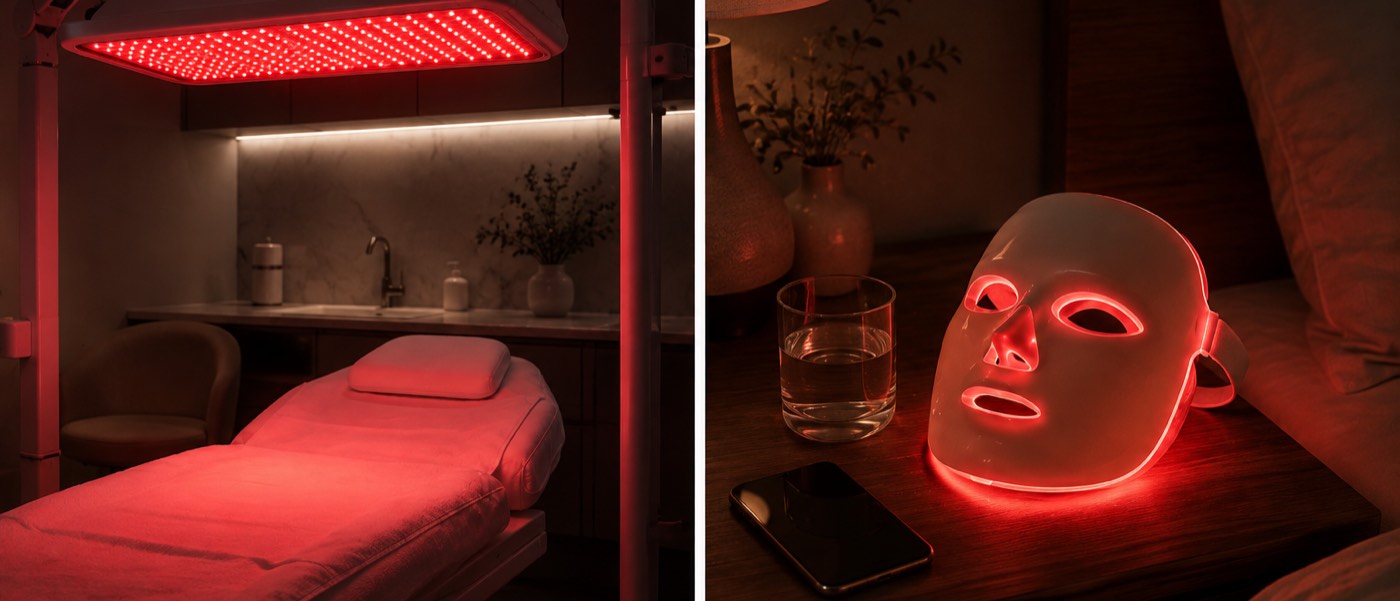
Skin treatments come in four price tags. The clinic panel and the mask run the same physics; what changes is dose, cost, and whether you keep showing up. Retinoids stay the benchmark cream, and a mask works alongside them, not instead of them.

A med-spa LED panel over a treatment bed beside an LED mask on a bedside table at home
THE PATH WE REVIEW
At-home LED mask$179–$999 once
Prescription retinoids$20–$80 per month In-office LED series$150–$400 per session Injectables & lasers$600–$3,000+ per visit
Cost over a year βœ“One purchase βœ•$240–$960, ongoing βœ•$1,200+ for a series βœ•$600–$3,000 each visit
Irritation βœ“None in trials βœ•Common βœ“None ~Varies
Downtime βœ“None βœ•Purge weeks βœ“None βœ•Days to weeks
Evidence βœ“Strong βœ“Gold standard βœ“Strong βœ“Strong
Effort βœ“Minutes at home ~Nightly, forever βœ•8+ office visits ~Repeat visits
Results speed ~4–12 weeks ~8–12+ weeks βœ“4–8 weeks βœ“Immediate to weeks

Honest reads: retinoids stay the gold-standard cream and pair well with light. Injectables win on speed and cost the most. A mask is the option you own once and use in minutes at home.

On the record

Six A-listers who wear LED masks, on the record

People who can book any facial on earth keep choosing a mask at home. Everything below is public and sourced, and two of them use masks from our rankings.

Illustrated portrait of Victoria BeckhamVictoria BeckhamDesigner & beauty founder

Posted her nightly at-home LED mask sessions on Instagram and said she "noticed such a difference." Her aesthetician put her on the habit.

SOURCE: her Instagram; covered by The Light Salon and beauty press
Illustrated portrait of Jennifer AnistonJennifer AnistonActress

Photographed and covered repeatedly using light-therapy masks in her routine, most recently a laser and LED hybrid device.

SOURCE: HELLO! Magazine coverage, 2025
Illustrated portrait of Kim KardashianKim KardashianFounder, SKKN

Gifted CurrentBody and Omnilux masks, both on our list, to family for Christmas 2023 and posted that it was not an ad. Keeps a red light bed at her office.

SOURCE: her Instagram; Marie Claire and Grazia coverage
Illustrated portrait of Chrissy TeigenChrissy TeigenModel & author

Shared her red-light mask sessions with tens of millions of followers, in posts that helped start the at-home LED wave.

SOURCE: her Instagram; widely covered 2019–2024
Illustrated portrait of Jessica AlbaJessica AlbaFounder, Honest Beauty

Shared her LED mask sessions as far back as 2015, guided by facialist Shani Darden, and still posts red light therapy in her routine in 2025.

SOURCE: her Instagram; LEDinside and press coverage
Illustrated portrait of Kourtney KardashianKourtney KardashianFounder, Poosh

Her wellness publication covers red light therapy as a staple skin and recovery tool across multiple features.

SOURCE: Poosh editorial

Clinician review

What dermatologists tell the press about red light

Three board-certified dermatologists, quoted publicly in major outlets. We cite the coverage, not private conversations.

Dr. Dendy Engelman

Red light therapy addresses "a number of skin concerns": signs of aging, acne, scarring, and hyperpigmentation.

Dr. Dendy Engelman, MD, FACMS, FAAD
Board-certified cosmetic dermatologist, Shafer Clinic, New York
AS QUOTED IN NATIONAL BEAUTY PRESS · PHOTO: SHAFER CLINIC
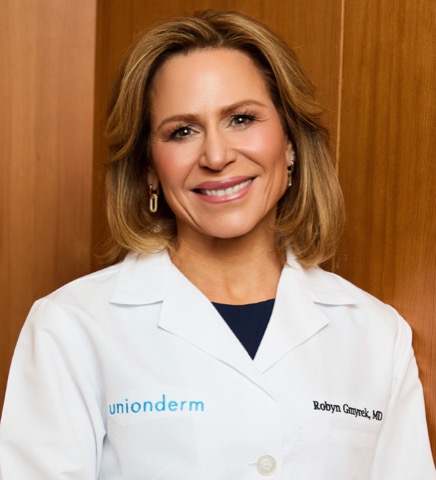
Dr. Robyn Gmyrek

Red and infrared light both increase "expression of collagen, elastin, and hyaluronic acid" in the skin.

Dr. Robyn Gmyrek, MD
Board-certified dermatologist, UnionDerm, New York; formerly Columbia
AS QUOTED IN HARPER'S BAZAAR · PHOTO: UNIONDERM
Dr. Mona Gohara

At-home LED masks are "icing on the cake" on top of good skincare: a real boost with consistent use, not an overnight miracle.

Dr. Mona Gohara, MD
Board-certified dermatologist, Yale School of Medicine
AS QUOTED BY TODAY · PHOTO: DERMATOLOGY PHYSICIANS OF CT

The rankings

The seven masks worth ranking

SCORED ON: wavelengthsLED count & coveragesession lengthFDA statuscomfortvalue

We may earn a commission through links in this review. It never affects scores or order. Full disclosure. Prices checked August 2026.

β˜… #1 Β· TOP PICK 2026
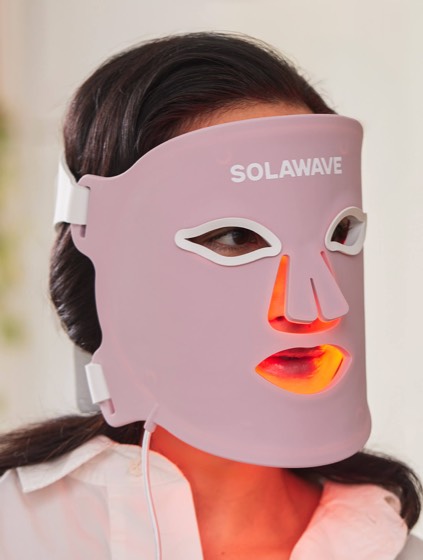
Solawave Wrinkle Retreat Pro red light therapy mask

Solawave Wrinkle Retreat Pro

The strongest combination of proven wavelengths, coverage, and a session short enough to stick with.

RED 630 + DEEP RED 660 + NIR 830 + AMBER 605320 LEDsGAP-FREE COVERAGE3-MIN SESSIONFDA-CLEARED

320 LEDs across four wavelengths: red and near-infrared, the two families with the deepest trial record, plus deep red and amber. The 3-minute session is the quiet advantage. Every trial on this page required weeks of consistency, and a 3-minute protocol survives real life in a way a 10-minute one rarely does.

Pros

  • Four wavelengths at meaningful output, led by red and near-infrared
  • 320 LEDs with even, gap-free coverage across the whole face
  • 3-minute daily treatment, the easiest protocol to keep
  • FDA-cleared, with a 60-day money-back window

Cons

  • Not the cheapest on the list, though it is the best-priced FDA-cleared mask here
  • Newer to market than Omnilux or CurrentBody, so fewer years of independent long-term reviews
TODAY'S DEAL

Buy one, get one free. A second product up to $399 comes included, effectively half off.
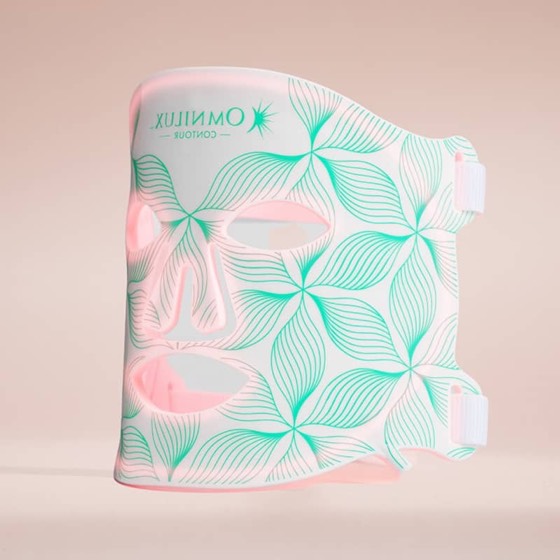
#2
Omnilux Contour LED face mask

Omnilux Contour

The famous name, running 2018-class hardware at a 2026 price.

RED 633 + NIR 83066 LEDsFLEXIBLE SILICONE FIT10-MIN SESSIONFDA-CLEARED

The mask estheticians recommend most, partly because it is the one they have known longest. The wavelengths are right and the silicone fits well. The spec sheet is the problem: 66 LEDs is a fraction of what newer masks deliver at the same price, and 10-minute sessions test anyone's consistency.

Pros

  • Correct red and near-infrared wavelengths
  • Comfortable, flexible silicone design
  • Strong brand recognition and retail availability

Cons

  • Only 66 LEDs, far below the coverage density of our #1
  • 10-minute sessions hurt real-world adherence
  • Recurring customer-service complaints about defect handling
#3
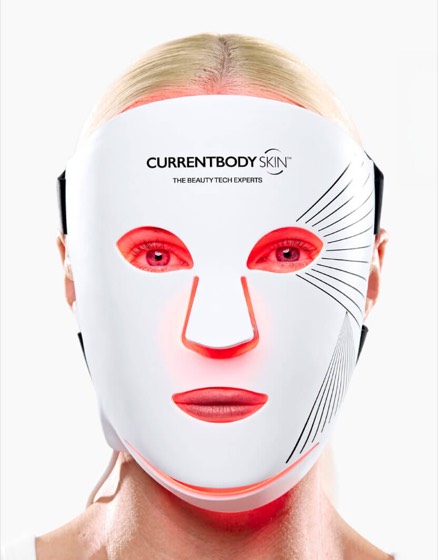
CurrentBody Skin LED Mask Series 2

CurrentBody Skin LED Mask: Series 2

The premium pick: three wavelengths, including a deep near-infrared band almost nobody else has.

RED 633 + NIR 830 + DEEP NIR 1072236 LEDsNOSE + CHIN COVERAGE10-MIN SESSIONFDA-CLEARED

A real upgrade over the original that made at-home red light famous: 236 LEDs, extended nose and chin coverage, and a 1072nm deep near-infrared band with early supportive research behind it. You pay for it twice, in price and in 10-minute sessions.

Pros

  • Three studied wavelengths, including rare 1072nm
  • 236 LEDs with excellent full-face coverage
  • Improved straps, comfortable silicone, built-in controller

Cons

  • 10-minute sessions make a daily habit harder
  • Premium price against faster-protocol rivals
  • Bright around the eyes for some, minor chin-fit gaps
#4
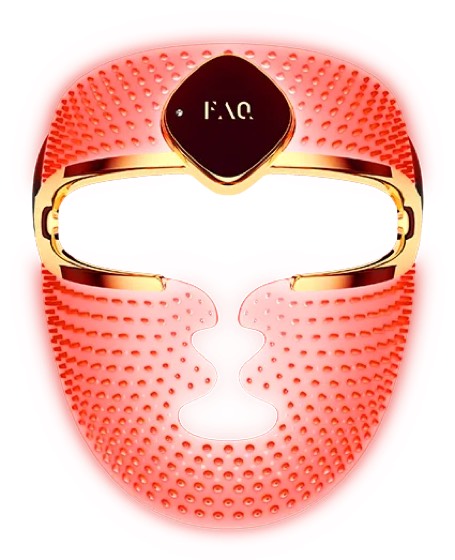
FAQ 202 LED face mask

FAQ 202

Impressive hardware, priced for people who collect impressive hardware.

MULTI-WAVELENGTHAPP + ADJUSTABLE INTENSITYCUSTOM SESSIONS

Sleek and customizable, with multiple wavelengths and adjustable intensities for tailored sessions. At $999 it costs double our top pick, carries a learning curve, and has thinner device-specific clinical documentation than the three masks above it.

Pros

  • Multiple wavelengths for targeted treatments
  • Adjustable intensity settings
  • Premium build quality

Cons

  • $999, twice the price of our #1
  • Learning curve, not beginner-friendly
  • Less device-specific clinical data
#5
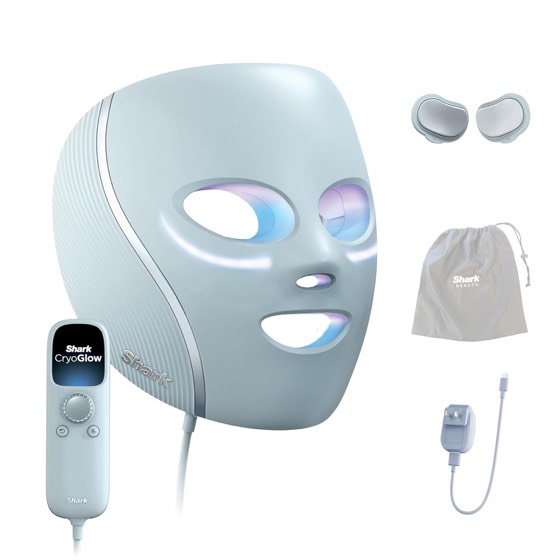
Shark CryoGlow LED mask with cooling

Shark CryoGlow

The cooling feels wonderful. It also sits exactly where the light should go.

RED 630 + BLUE 415 + NIR 830480 LEDsUNDER-EYE COOLING

LED therapy plus under-eye cooling plates that calm redness and puffiness on contact. The design has one built-in contradiction: the cooling pads cover the under-eye area, which is where many buyers most want light. Reviewers also report comfort complaints in longer sessions.

Pros

  • Cooling plus LED is a genuinely pleasant treatment
  • Good pick for redness and puffiness
  • Trusted mainstream brand

Cons

  • Cooling pads block light from the under-eye area
  • Stronger at soothing than at anti-aging
  • Comfort complaints from beauty reviewers
#6
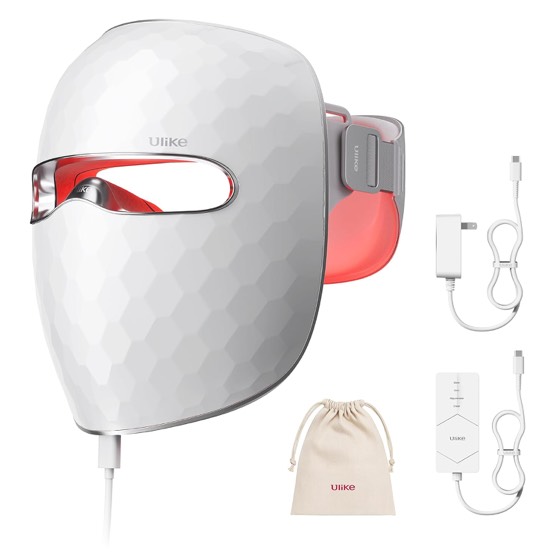
Ulike ReGlow LED mask

Ulike ReGlow

Red for aging plus blue for breakouts, at a fair mid-range price.

RED 630 + BLUE 465 + NIR 830 + YELLOW 590272 LEDsCORDLESS + REMOTE

A sensible pick for mixed concerns. Red supports aging goals while blue targets acne bacteria, the combination validated in the Kwon home-device trial. The compromises live in LED density and materials, which is why it sits here and not higher.

Pros

  • Covers both aging and acne wavelengths
  • Lightweight and easy to use
  • Reasonable price for a dual-mode mask

Cons

  • Lower LED density than the premium masks
  • Results may take longer than with stronger devices
  • Materials unlikely to age as well as premium rivals
#7
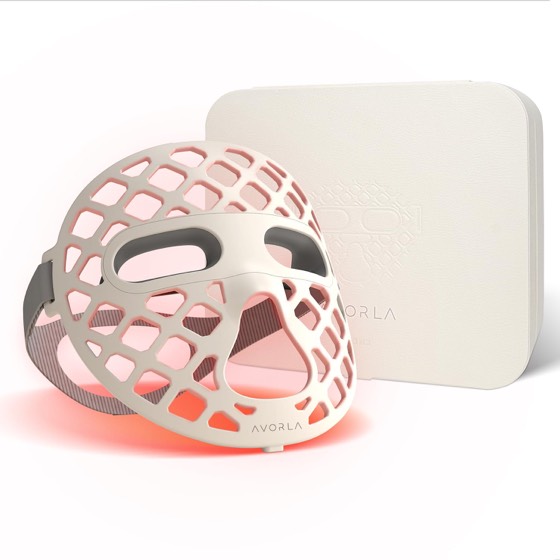
Avorla LED face mask

Avorla LED Mask

A $179 way to find out whether you will actually use one.

MULTI-COLOR BASICLIGHTWEIGHT + SIMPLE

The honest budget entry. Real light, modest output, no frills. If you want to test the habit before spending mask-money, this is the defensible way in. Expect slower, subtler progress than anything above it.

Pros

  • The most affordable entry point on the list
  • Simple, no-frills operation
  • Fine for light maintenance

Cons

  • Lower-intensity LEDs
  • No advanced features or clearance pedigree

Avoid these

Four masks we won't rank at any price

We tested or investigated all four categories. Each one fails on the spec that matters: delivering a real dose to your whole face.

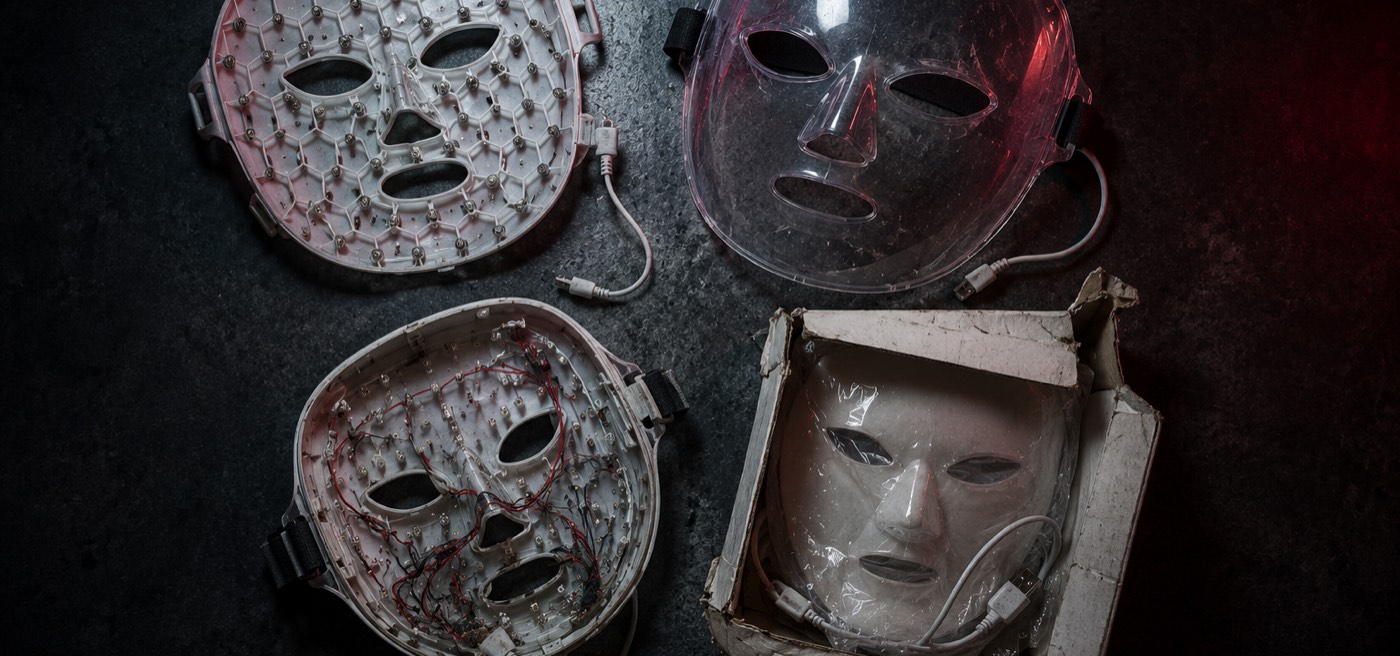
Four cheap LED masks laid out on a dark surface: honeycomb mesh, clear shield, exposed wiring, and an unboxed no-name import
βœ•

Honeycomb & face-shield masks

Big gaps between diodes mean big gaps in dose. Most skip real eye shielding too.

βœ•

Anything under 100 LEDs

Too little output. "Results in weeks" quietly becomes results never.

βœ•

Microcurrent hybrid masks

Electrical stimulation stacked onto LED adds discomfort and contraindications, for benefits the evidence does not support.

βœ•

No-name imports without paperwork

No FDA listing, no wavelength spec sheet, no return policy. This is dose-dependent hardware. Buy it like that matters.

Your match

Find your mask in 30 seconds

Four questions, no email required. The same scoring we used for the rankings, weighted to your answers.

The timeline

Glow by week six, measured results by week twelve

With consistent use, light therapy provides real results. Every trial on this page ran 8 to 12 weeks, and the schedule below is what that consistency buys.

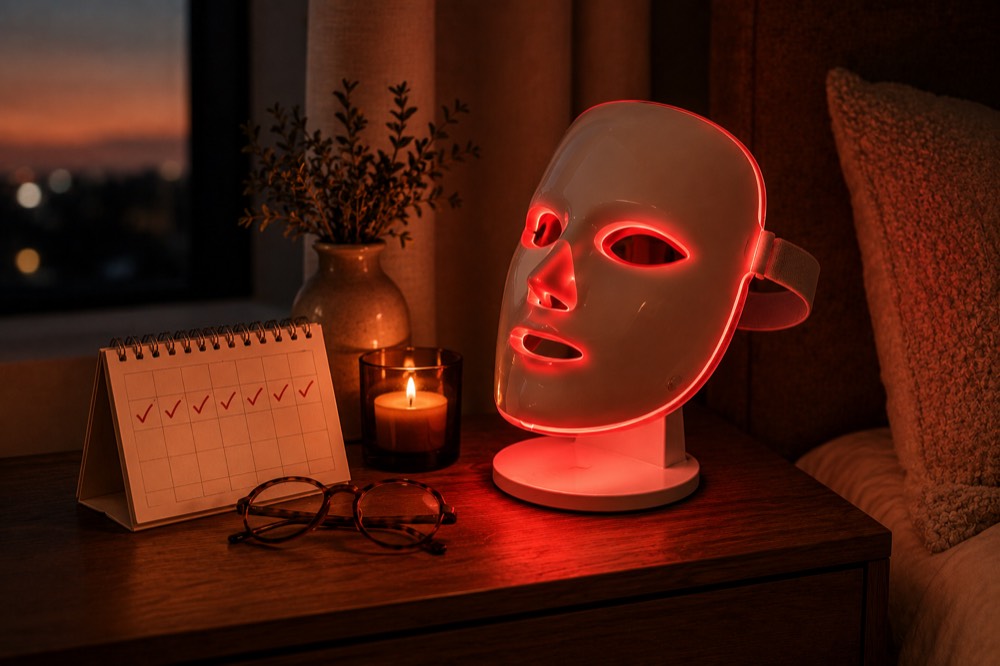
A nightstand at dusk with a glowing LED mask on its stand beside a habit calendar full of checkmarks
WEEKS 1–2

Nothing visible. Normal.

Cellular changes start first. Distrust any product that claims day-three miracles.

WEEKS 2–6

Tone evens first

Calmer redness, smoother texture, the low-key glow people mention to you unprompted.

WEEKS 8–12

The trial window

Where the studies measured wrinkle depth, lesion counts, and collagen density.

ONGOING

Keep banking it

The 2014 trial found gains held at follow-up with continued use. Consistency is the product.

Common questions

The six questions every buyer asks

Do LED masks actually work, or is this a placebo trend?
The trials say they work within limits. Double-blind and split-face randomized studies measured fewer acne lesions, shallower wrinkles, and more collagen after 8 to 12 weeks of steady use. Meta-analyses pooling those trials in 2023 and 2025 agree. The limits are just as real: changes are gradual, dose-dependent, and stop if you stop.
Is the light safe for my eyes?
Quality masks are designed for closed-eye use or ship with shields, and the 2023 safety review found no significant adverse events across trials. Close your eyes during sessions and use the shields. Skip LED entirely and talk to your doctor first if you have a photosensitive condition or take photosensitizing medication, including some antibiotics, isotretinoin, and St. John's wort.
What does "FDA-cleared" mean? Is that the same as approved?
No, and the difference is worth knowing. Cleared means the device passed the FDA's Class II 510(k) pathway for specific uses, typically wrinkles or acne. That is a real regulatory bar that cheap imports skip. "Approved" is a stricter pathway these cosmetic devices do not go through. Any brand claiming an "FDA-approved mask" is confused or lying. We write cleared because cleared is what is true.
How often do I need to use one?
Follow your device's protocol: usually 3 to 10 minutes, three to seven days a week. In the clinical data, consistency beat intensity every time. That is why session length is a ranking factor here. A 3-minute mask you use daily beats a 10-minute mask you abandon in March.
Can I use it with retinol and my other skincare?
Generally yes. Light therapy is one of the few additions that plays well with actives, and you use it on clean, dry skin before products. One caution: if a retinoid currently has your skin irritated or photosensitized, ease in and watch how your skin responds. Alternating nights works when in doubt.
You earn commissions. Why should I trust the rankings?
Three reasons you can check yourself. Our #2 and #3 pay commissions just like our #1, so reshuffling would not profit us. Every clinical number links to its source paper. And we tell you what light therapy will not do, which no one optimizing for a quick sale would print. The disclosure sits at the top of the rankings, not buried in a footer.

About this review

Who's behind this

The Light Therapy Institute review author
The Light Therapy Institute

An individual highly interested in light therapy, with a strong interest in evidence-based, noninvasive treatments that support skin health and overall wellness. Her work focuses on the clinical applications of light-based therapies, translating current research into clear, practical insights for practitioners and the broader public.

Citations

  1. Wunsch A, Matuschka K. A controlled trial to determine the efficacy of red and near-infrared light treatment. Photomed Laser Surg. 2014;32(2):93–100. Link
  2. Kwon HH, et al. Home-use, combination blue–red LED phototherapy for mild-to-moderate acne: a double-blind RCT. Br J Dermatol. 2013;168(5):1088–94. Link
  3. Lee SY, et al. A prospective, randomized, placebo-controlled, double-blinded, split-face study of 830/633nm LED phototherapy for skin rejuvenation. J Photochem Photobiol B. 2007;88(1):51–67. Link
  4. Photobiomodulation reduces periocular wrinkle volume by 30%: a randomized controlled trial. Photobiomod Photomed Laser Surg. 2023. Link
  5. Russell BA, et al. A study to determine the efficacy of combination LED light therapy (633nm and 830nm) in facial skin rejuvenation. J Cosmet Laser Ther. 2005;7(3–4):196–200. Link
  6. Ngoc LTN, et al. Utilization of light-emitting diodes for skin therapy: systematic review and meta-analysis. Photodermatol Photoimmunol Photomed. 2023. Link
  7. At-home LED devices for the treatment of acne vulgaris: systematic review and meta-analysis. 2025. Link
  8. Whelan HT, et al. Effect of NASA light-emitting diode irradiation on wound healing. J Clin Laser Med Surg. 2001;19(6):305–14. Link
  9. Hamblin MR. Mechanisms and applications of the anti-inflammatory effects of photobiomodulation. AIMS Biophys. 2017;4(3):337–61. Link
  10. Photobiomodulation: systematic review of oncologic safety of low-level light therapy for aesthetic skin rejuvenation. 2023. Link
  11. Avci P, et al. Low-level laser (light) therapy (LLLT) in skin: stimulating, healing, restoring. Semin Cutan Med Surg. 2013;32(1):41–52. Link
  12. The influence of popular media on public interest in red-light therapy: longitudinal trend analysis. JMIR Dermatol. 2025. Link
Thank you! Your submission has been received!
Oops! Something went wrong while submitting the form.