Light Therapy Insights, Delivered
Get practical guidance, new device reviews, and research summaries written for real people.
You’re in. Watch your inbox soon.
Oops! Something went wrong while submitting the form.

Light Therapy Insights

Get practical guidance, new device reviews, and research summaries written for real people.
Discover the science-backed frequency guidelines for light therapy anti-aging treatments based on device power, wavelengths, and clinical research showing optimal treatment timing.
The frequency of light therapy sessions can make or break your anti-aging results. While the technology has proven remarkably effective for reducing wrinkles, boosting collagen, and improving skin texture, achieving optimal outcomes requires understanding the science behind treatment timing and the specific device you're using.
Light therapy works by activating mitochondrial function at the cellular level, particularly through stimulating cytochrome c oxidase, which increases ATP production and triggers skin regeneration processes. However, this cellular activation doesn't happen instantaneously. Research published in Skin Research and Technology demonstrates that after photobiomodulation, cells require approximately 72 hours to fully process the energy and maximize the therapeutic effects (Couturaud et al., 2023). This finding reveals why spacing treatments is just as important as the treatment itself.
The dose-response relationship follows what researchers call the Arndt-Schulz curve—too little light produces no effect, the optimal dose stimulates regeneration, but excessive exposure can actually inhibit the beneficial response. This biphasic response means more frequent sessions don't necessarily accelerate results and may even reduce efficacy.
For devices delivering 15-21 mW/cm² at 630nm wavelength, the evidence-based protocol is twice weekly with 72-hour intervals between sessions. A clinical study of 136 subjects using this frequency demonstrated significant improvements: 38.3% reduction in crow's feet depth, 47.7% increase in dermal density, and 32.8% decrease in pore diameter after 12 weeks (Couturaud et al., 2023). Notably, results persisted for one month after stopping treatment, indicating lasting structural changes in the skin.
Consumer devices typically emit 5-13 mW/cm² and can be used more frequently—anywhere from daily to 3-4 times per week. Because the power density is lower, daily use doesn't risk over-stimulation. A controlled trial examining devices with 5.9-13.3 mW/cm² found that treatment duration matters more than frequency at these lower intensities, with 12-25 minute sessions proving effective (Wunsch & Matuschka, 2014).
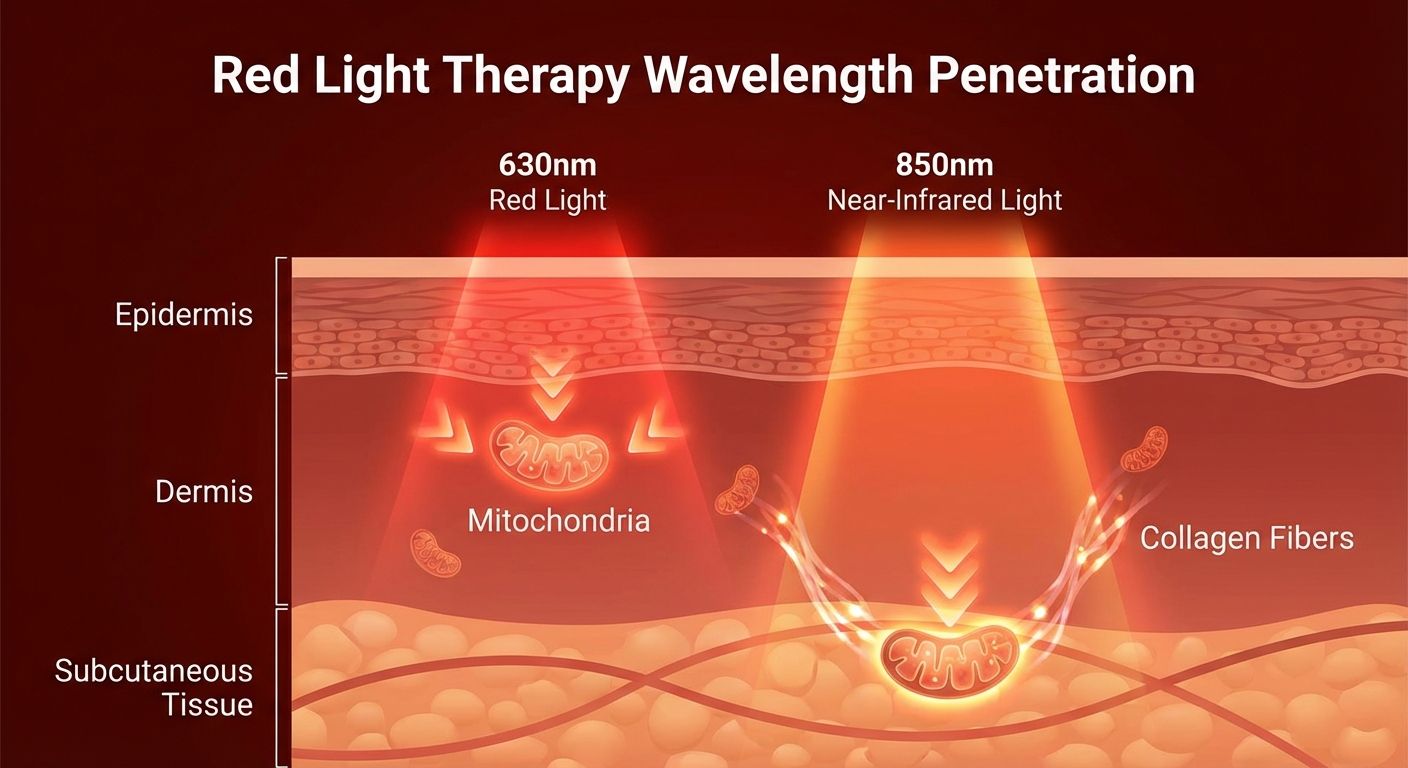
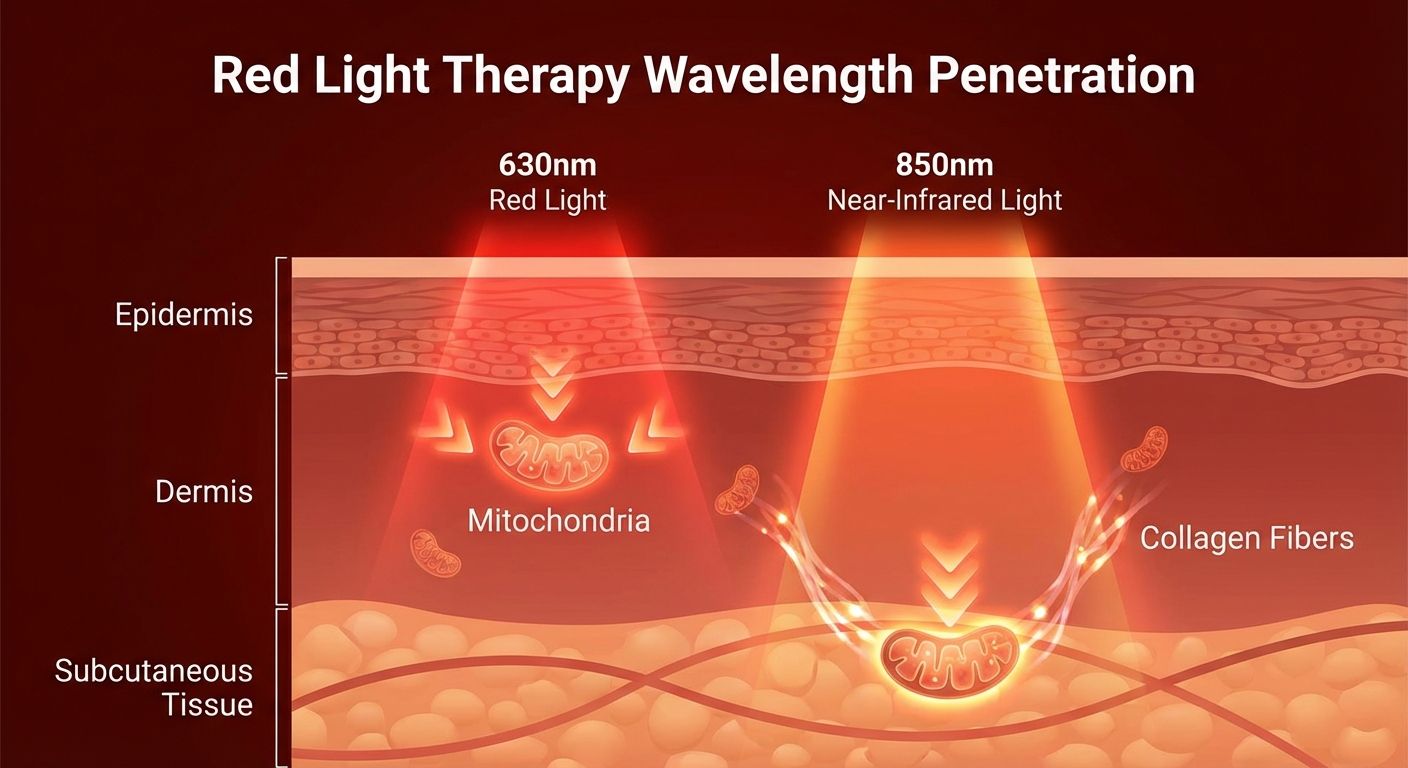
Full-body panels delivering both red (620-660nm) and near-infrared (810-850nm) wavelengths benefit from 3-4 weekly sessions. Research indicates that red light primarily targets the dermis for collagen stimulation, while near-infrared penetrates deeper for cellular energy production. The combination therapy at normalized doses of 8.5-9.6 J/cm² in the red spectrum showed comparable efficacy whether delivered 2-3 times weekly, supporting treatment flexibility (Wunsch & Matuschka, 2014).
Start with a loading phase: For the first 8-12 weeks, maintain consistent twice-weekly sessions if using professional-grade devices, or 4-5 weekly sessions for lower-power devices. Clinical measurements show the most dramatic improvements occur during this initial period, with 26.4% dermal density increase visible after just 4 weeks.
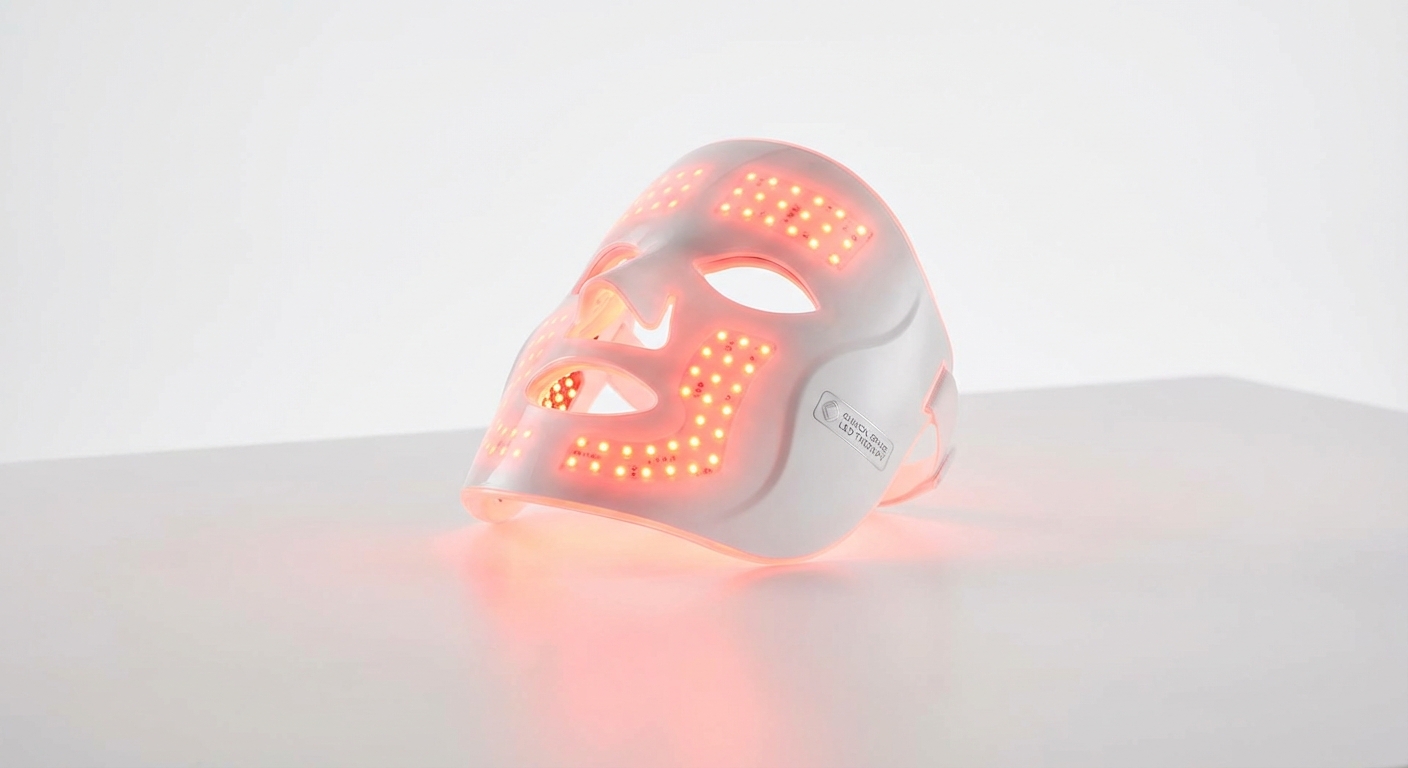
Position matters: Maintain the recommended distance from your device (typically 6-12 inches for panels, direct contact for masks). Ultrasonographic measurements confirm that proper positioning ensures adequate light penetration to the dermis where collagen synthesis occurs.
Cleanse thoroughly: Remove all makeup, oils, and skincare products before treatment. Barriers on the skin surface can scatter light and reduce the effective dose reaching target chromophores.
Protect your eyes: Always wear provided protective eyewear, even with closed eyelids, as retinal photoreceptors are extremely light-sensitive.
Track your progress: Take weekly photos under consistent lighting and measure improvements monthly rather than daily, as cellular changes manifest gradually.
Clinical studies demonstrate that visible improvements begin at 4 weeks, with progressive enhancement through 12 weeks. Importantly, a study tracking volunteers for 6 months post-treatment found that collagen density increases and wrinkle reductions remained stable without continued sessions, suggesting 12-week treatment cycles followed by maintenance phases (Couturaud et al., 2023).
For maintenance after initial results, reducing frequency to once weekly or biweekly appears sufficient based on the persistence of effects. The collagen intensity scores measured via ultrasound remained elevated 28 days after stopping treatment, indicating the stimulated fibroblasts continue functioning beyond the active treatment period.
Recent findings reveal that light therapy's benefits extend beyond simple collagen production. Gene expression analysis identified 111 different genes influenced by 628nm red light, affecting cellular proliferation, DNA repair, antioxidant functions, and mitochondrial energy metabolism—explaining why improvements in skin texture, tone, and overall appearance occur alongside wrinkle reduction (Wunsch & Matuschka, 2014).
Interestingly, the wavelength spectrum matters less than previously believed. Comparative studies found no significant difference between narrow-spectrum red light (611-650nm) and broader polychromatic light (570-850nm) when normalized for the same dose in the therapeutic window, suggesting that choosing between different device types can be based on convenience and comfort rather than strict wavelength specifications.
The timing of cellular energy digestion—that 72-hour window—represents a paradigm shift from thinking "more is better" to understanding that strategic spacing allows maximum benefit from each session. This biological rhythm explains why twice-weekly protocols consistently outperform daily treatment in clinical measures of collagen density and wrinkle depth.
Couturaud, V., Le Fur, M., Pelletier, M., & Granotier, F. (2023). Reverse skin aging signs by red light photobiomodulation. Skin Research and Technology, 29(7), e13391.
Wunsch, A., & Matuschka, K. (2014). A controlled trial to determine the efficacy of red and near-infrared light treatment in patient satisfaction, reduction of fine lines, wrinkles, skin roughness, and intradermal collagen density increase. Photomedicine and Laser Surgery, 32(2), 93-100.
Get practical guidance, new device reviews, and research summaries written for real people.