Light Therapy Insights, Delivered
Get practical guidance, new device reviews, and research summaries written for real people.
You’re in. Watch your inbox soon.
Oops! Something went wrong while submitting the form.

Light Therapy Insights

Get practical guidance, new device reviews, and research summaries written for real people.
Discover the latest advancements in laser and LED light therapy, from cancer cell destruction to brain health enhancement and accelerated wound healing.

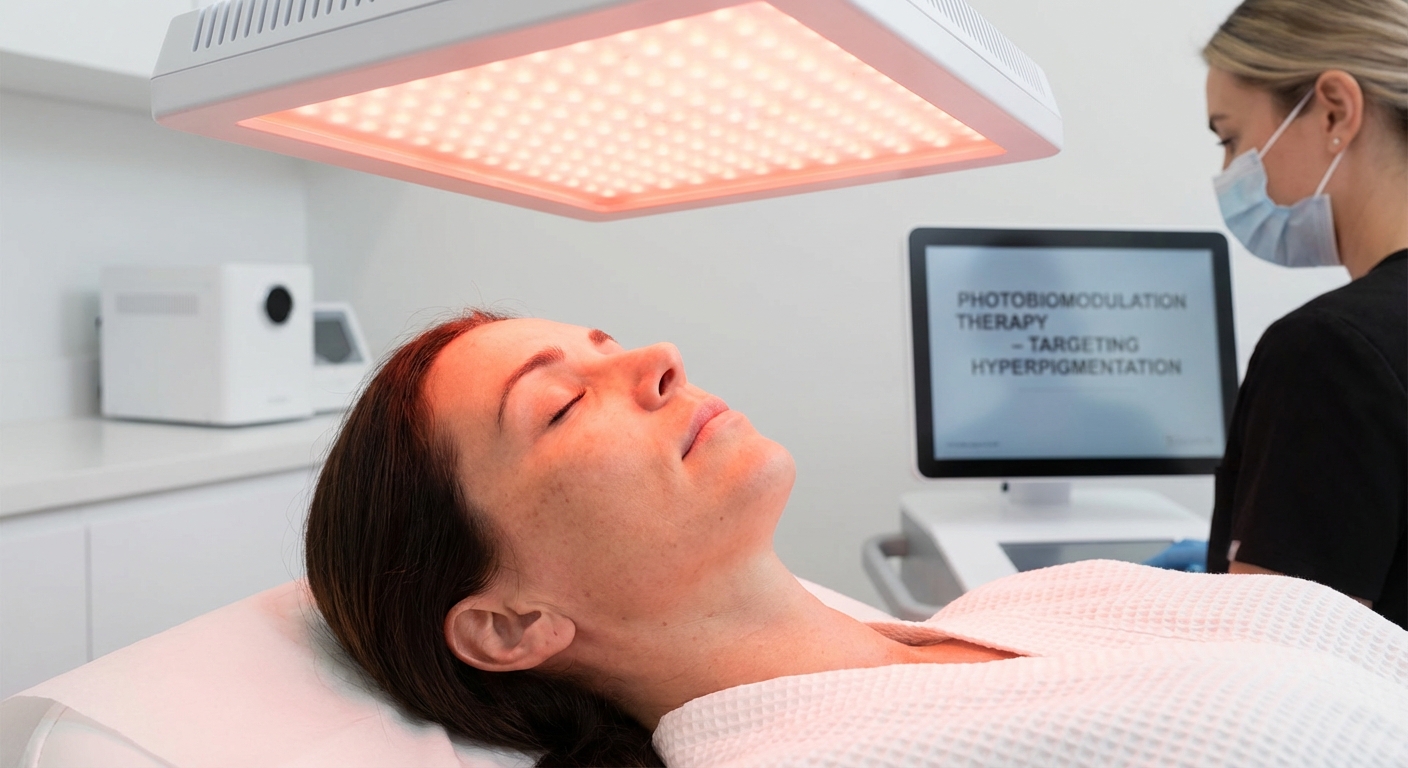
The field of photobiomodulation has experienced remarkable advancement over the past six years, with groundbreaking research transforming how we understand and apply laser and LED light therapy. Here are five major scientific breakthroughs reshaping this therapeutic landscape.
Researchers at the University of Texas achieved a remarkable milestone in October 2025 by developing a photothermal therapy that uses near-infrared LED light to selectively destroy cancer cells. The treatment, which employs tin oxide nanoflakes activated by LED light, demonstrated 92% effectiveness against skin cancer cells and 50% against colorectal cancer cells after just 30 minutes of exposure—all while leaving healthy cells unharmed. This breakthrough replaces traditional laser-based treatments with gentler, broader-spectrum LED light, making cancer therapy more accessible and safer.
One of the most exciting developments involves directing light therapy directly to the brain through the skull. Research published in 2025 demonstrated that 1064nm near-infrared light penetrates deep enough to reach energy-hungry brain regions, resulting in a 25% improvement in memory recall. Clinical trials have shown transcranial photobiomodulation effectively treats traumatic brain injury, reduces anxiety and depression-like behaviors, and shows promise for neurodegenerative conditions including Alzheimer's and Parkinson's disease by reducing oxidative stress and enhancing neurogenesis.
Blue light therapy emerged as a powerful tool for treating hard-to-heal wounds, including vascular ulcers, diabetic wounds, and rheumatologic lesions. Clinical studies conducted between 2020-2025 demonstrated that blue light photobiomodulation promotes long-term wound healing and symptom improvement in patients with chronic wounds. The therapy works by modulating cellular processes at the wound site, offering a non-invasive alternative for conditions that traditionally resist conventional treatment.
In a significant advancement for ophthalmology, researchers found that multiwavelength photobiomodulation significantly reduces the risk of vision loss and delays the onset of geographic atrophy in dry age-related macular degeneration (AMD). Studies published through 2025 showed improvements in visual function and reduction in drusen volume, though researchers note the importance of ongoing treatment for sustained benefits. This represents a major breakthrough for a condition affecting millions of aging adults worldwide.
The democratization of light therapy reached new heights as clinical trials validated the efficacy and safety of home-use LED devices. Research published in 2025 confirmed that LED and near-infrared phototherapy at 630nm and 850nm wavelengths are effective, safe, and well-tolerated for skin rejuvenation and therapeutic applications when used at home. This breakthrough legitimizes consumer devices and expands access to photobiomodulation therapy beyond clinical settings.
These breakthroughs share common themes: precision targeting, expanded applications beyond aesthetics, and validation through rigorous clinical research. As LED technology becomes more sophisticated and our understanding of photobiomodulation mechanisms deepens, we're moving from treating surface-level concerns to addressing complex systemic conditions—from cancer to neurodegenerative disease.
The evolution from laser to LED-based treatments has democratized access while improving safety profiles. With ongoing research into optimal wavelengths, dosing protocols, and combination therapies, the next six years promise even more transformative discoveries in this rapidly advancing field.
Get practical guidance, new device reviews, and research summaries written for real people.






.svg)