Light Therapy Insights, Delivered
Get practical guidance, new device reviews, and research summaries written for real people.
You’re in. Watch your inbox soon.
Oops! Something went wrong while submitting the form.

Light Therapy Insights

Get practical guidance, new device reviews, and research summaries written for real people.
Discover how red light therapy and LED photobiomodulation can help reduce hyperpigmentation, melasma, and dark spots. Science-backed insights on wavelengths, treatment protocols, and realistic outcomes.
Hyperpigmentation refers to darkened patches of skin caused by excess melanin production. The most common forms include:
Traditional treatments include topical agents like hydroquinone, vitamin C, and niacinamide, as well as procedures like chemical peels and laser therapy. Light therapy offers a gentler, research-supported alternative that works through different biological mechanisms.
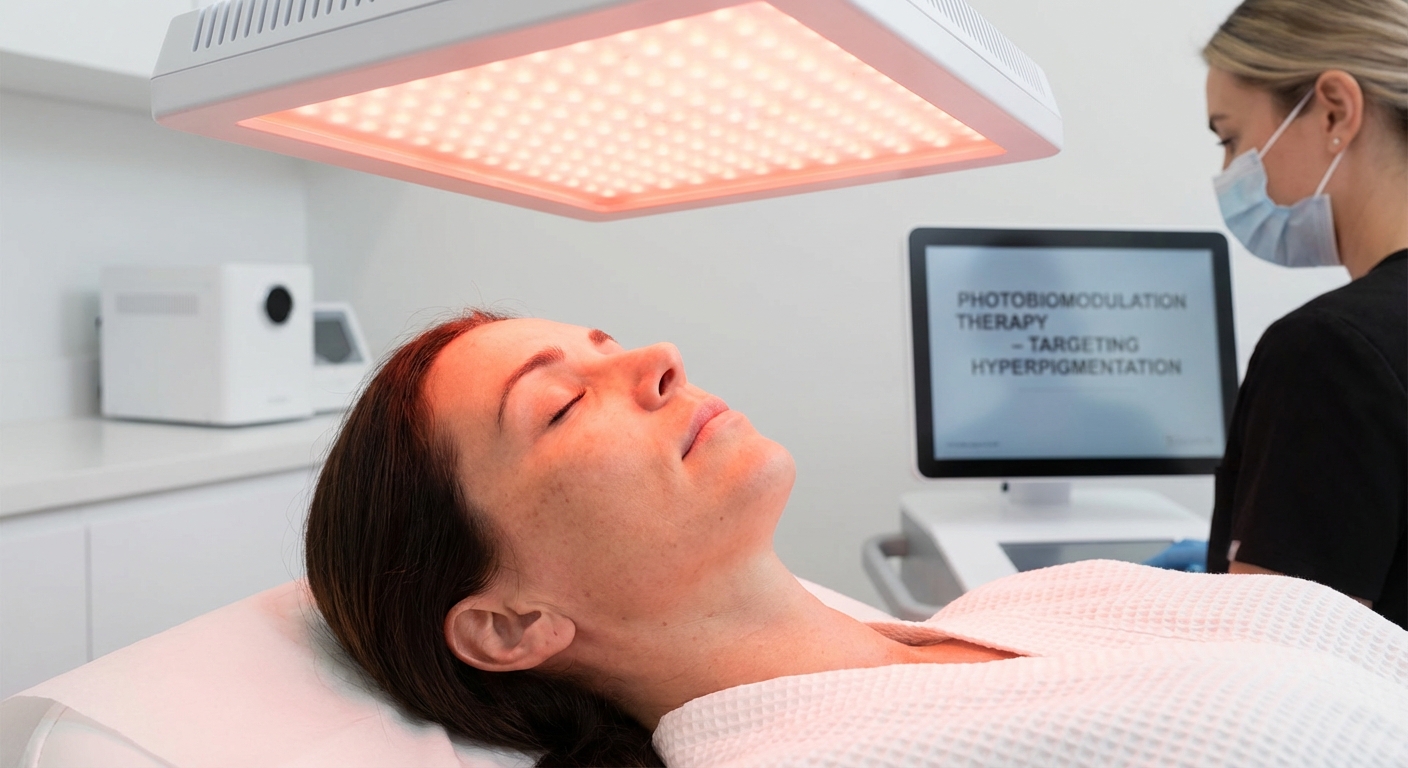
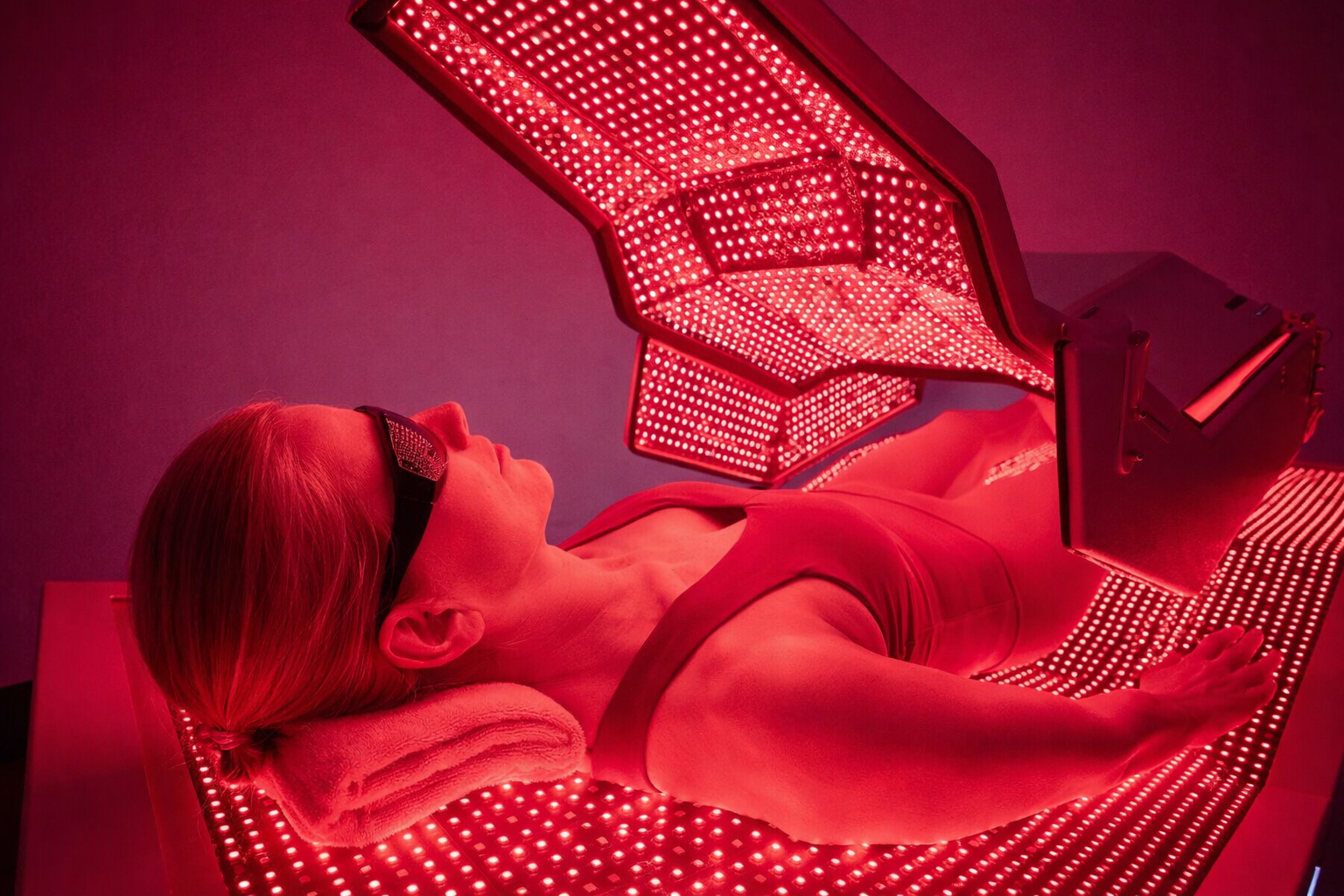
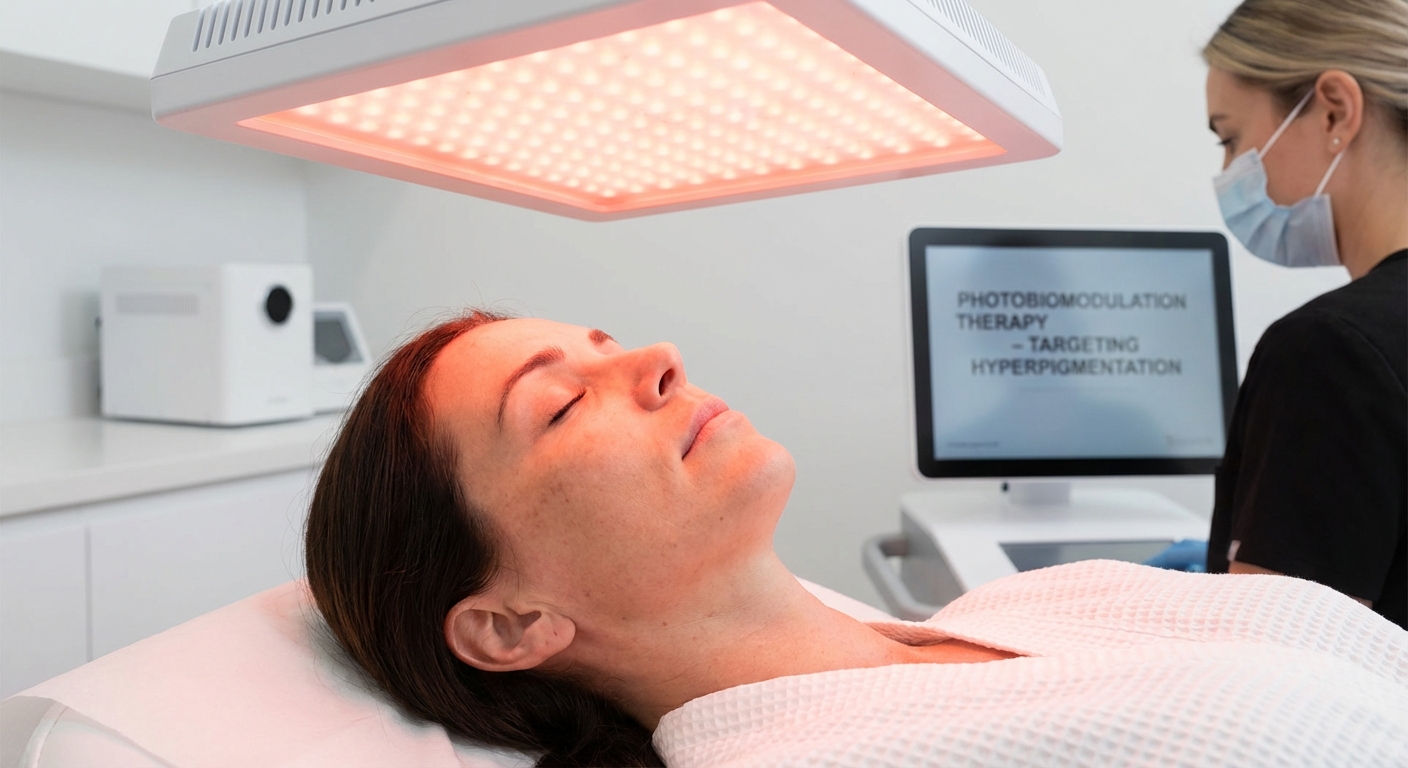
Red and near-infrared light therapy, also called photobiomodulation or LED light therapy, uses specific wavelengths to interact with skin cells at the cellular level. For hyperpigmentation specifically, light therapy works through several pathways:
Cellular Energy Production: Red light (630-660nm) and near-infrared light (810-850nm) penetrate the skin and are absorbed by mitochondria, the energy centers of cells. This stimulates ATP production, giving cells more energy to repair and regenerate.
Melanin Regulation: Research suggests that certain wavelengths can help regulate melanocyte activity - the cells responsible for producing melanin. Rather than bleaching or destroying pigment, light therapy appears to normalize melanin production and distribution.
Inflammation Reduction: Many forms of hyperpigmentation, especially PIH, are driven by inflammation. Red and near-infrared light have well-documented anti-inflammatory effects, which can prevent and reduce post-inflammatory darkening.
Collagen Stimulation: By promoting collagen production and skin remodeling, light therapy helps improve overall skin texture and can gradually fade the appearance of dark spots as new, healthier skin cells replace damaged ones.
Not all light therapy devices are equal when it comes to treating hyperpigmentation. The most effective wavelengths based on current research include:
Many clinical-grade LED devices combine these wavelengths to address both superficial discoloration and deeper skin health. The key is consistent exposure at adequate intensity (measured in mW/cm²).
While light therapy research for hyperpigmentation is still developing compared to conditions like acne or wound healing, several studies show promising results:
A 2017 study published in the Journal of Cosmetic and Laser Therapy found that combined red and infrared LED therapy improved skin tone and reduced the appearance of age spots after 12 weeks of treatment.
Research on photobiomodulation for melasma has shown that red light therapy, particularly when combined with traditional topical treatments, can enhance outcomes and reduce reliance on harsh bleaching agents.
Studies on post-inflammatory hyperpigmentation demonstrate that red light's anti-inflammatory properties can prevent PIH from forming after procedures like microneedling or laser treatment, and may help fade existing dark spots over time.
It's important to note: results are gradual, typically appearing over 8-12 weeks of consistent use. Light therapy is not a quick fix, but rather a tool for supporting skin's natural healing and regeneration processes.
LED (light-emitting diode) therapy differs from other light-based treatments:
LED vs. Laser: Lasers use high-intensity, single-wavelength light that can ablate or heat tissue. LED uses lower-intensity, non-thermal light that stimulates without damage. LEDs are safer for home use and all skin types.
LED vs. IPL (Intense Pulsed Light): IPL targets pigment with broad-spectrum light and can be effective for sun damage, but carries more risk of paradoxical darkening in darker skin tones. LED is gentler and suitable for more skin types.
LED vs. Blue Light: Blue light (around 415nm) is primarily used for acne treatment and is not the wavelength of choice for hyperpigmentation. Red and near-infrared are preferred.
Based on clinical research and dermatological protocols, effective light therapy for hyperpigmentation typically involves:
Frequency: 3-5 times per week, or daily for intensive protocols
Duration: 10-20 minutes per session, depending on device intensity
Distance: 6-12 inches from skin for panel devices; direct contact for masks
Timeline for results:
Consistency is crucial. Sporadic use will yield minimal results.
Light therapy works synergistically with evidence-based topical ingredients:
Vitamin C (L-Ascorbic Acid): A proven brightening agent that inhibits melanin production. Use in the morning before light therapy sessions.
Niacinamide: Reduces melanosome transfer and has anti-inflammatory properties. Can be used morning or evening.
Retinoids: Accelerate cell turnover and fade pigmentation over time. Use at night; be cautious with irritation.
Alpha Arbutin: A gentler tyrosinase inhibitor that works well alongside light therapy.
Azelaic Acid: Addresses both pigmentation and inflammation, making it ideal for PIH.
The advantage of combining treatments: light therapy enhances cellular function and may improve absorption and efficacy of topical ingredients, while actives provide complementary mechanisms for addressing pigmentation.
One of light therapy's advantages is its safety profile across skin types, but considerations remain:
Fitzpatrick Types I-III (Light to Medium Skin): Generally respond well to red and near-infrared therapy with low risk of adverse effects or paradoxical darkening.
Fitzpatrick Types IV-VI (Medium to Deep Skin Tones): LED light therapy is safer than laser or IPL treatments, which can trigger post-inflammatory hyperpigmentation in darker skin. Red and near-infrared wavelengths do not target melanin aggressively, reducing this risk.
Photosensitivity: Avoid light therapy if using photosensitizing medications (certain antibiotics, retinoids, or other prescriptions). Consult your dermatologist.
Active Melasma: Some practitioners recommend caution with any heat or intense light during active melasma flares, though LED therapy is non-thermal. Monitor response carefully.
Pregnancy and Hormonal Changes: While red light therapy is generally considered safe, hormonal pigmentation like melasma may be difficult to treat until hormones stabilize.
Light therapy is a supportive tool, not a miracle cure for hyperpigmentation:
What it can do:
What it cannot do:
Light therapy is best viewed as part of a comprehensive approach: consistent device use, evidence-based topicals, strict sun protection, and patience.
When selecting an LED device for treating dark spots and uneven skin tone, look for:
Home devices have become increasingly sophisticated, but professional in-office treatments typically use higher-powered equipment and may deliver faster results.
Red and near-infrared light therapy represents a research-supported, low-risk option for addressing hyperpigmentation, dark spots, and uneven skin tone. While it's not a rapid solution, consistent use over 8-12+ weeks can support skin's natural healing processes, reduce inflammation, and gradually improve pigmentation issues.
Light therapy works best as part of an integrated approach: pair it with proven topical actives like vitamin C and niacinamide, maintain strict sun protection, and set realistic expectations. For stubborn or severe hyperpigmentation, consult a dermatologist to determine if professional treatments or prescription options are needed.
The science is clear: light therapy offers meaningful benefits for skin health and appearance. For those seeking a gentler, non-invasive path to more even, radiant skin, LED photobiomodulation is worth considering.
Get practical guidance, new device reviews, and research summaries written for real people.






.svg)