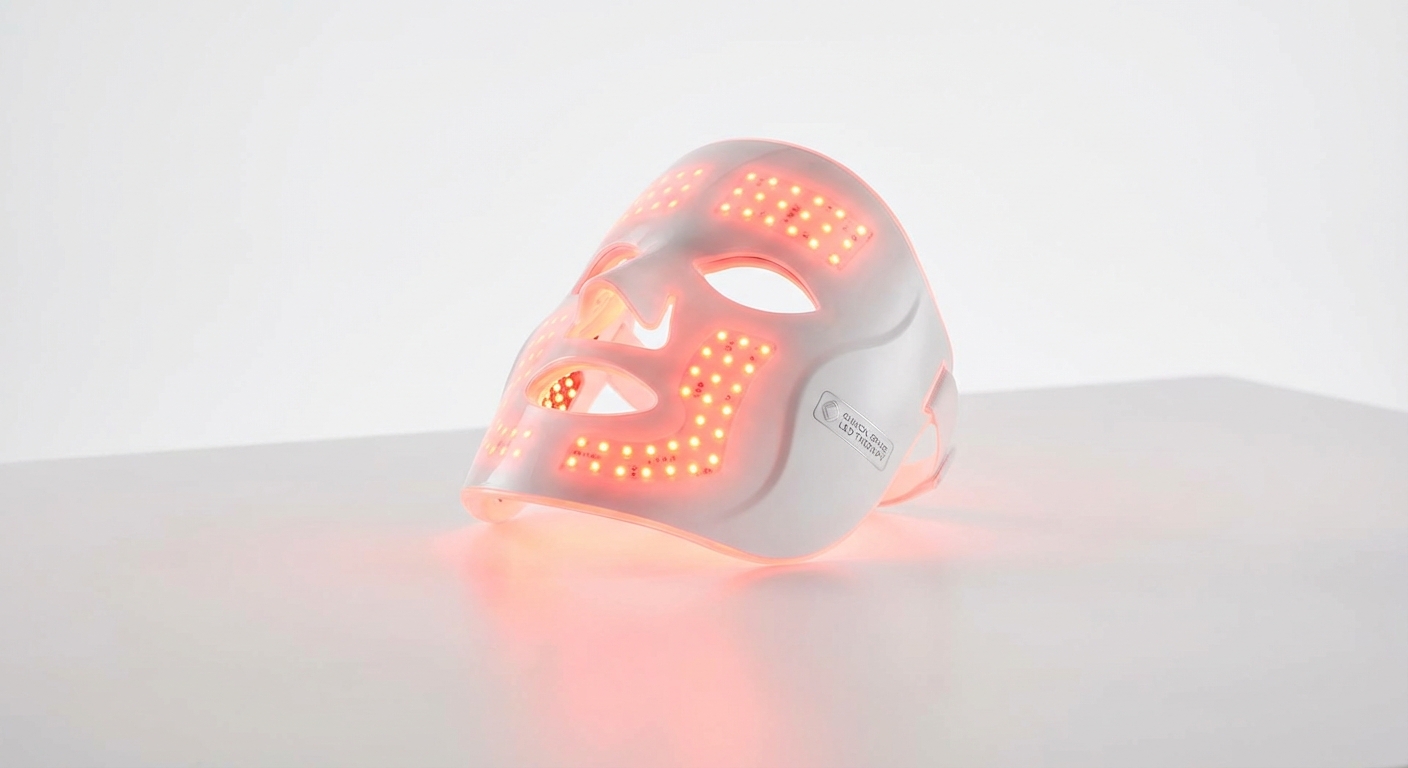
LED face masks are great for targeted facial treatments, but if you want full-body benefits — joint relief, muscle recovery, skin health from neck to toe — you need a red light therapy panel. These larger devices deliver clinical-grade power across a much wider treatment area, making them the workhorse of any serious light therapy routine. (New to light therapy? Start with our evidence-based overview.)
We've evaluated the leading full-body panels available in 2026 across the metrics that actually matter: power density, wavelength accuracy, build quality, EMF output, warranty, and value per dollar.
What to Look for in a Red Light Therapy Panel
Before diving into specific products, understanding the key specifications will help you make a smart purchase. For a comprehensive breakdown, see our buyer's guide (coming soon).
Power Density (Irradiance): Measured in mW/cm² at the treatment surface. Higher irradiance means shorter treatment times and deeper tissue penetration. Look for at least 100 mW/cm² at 6 inches for clinical-grade results.
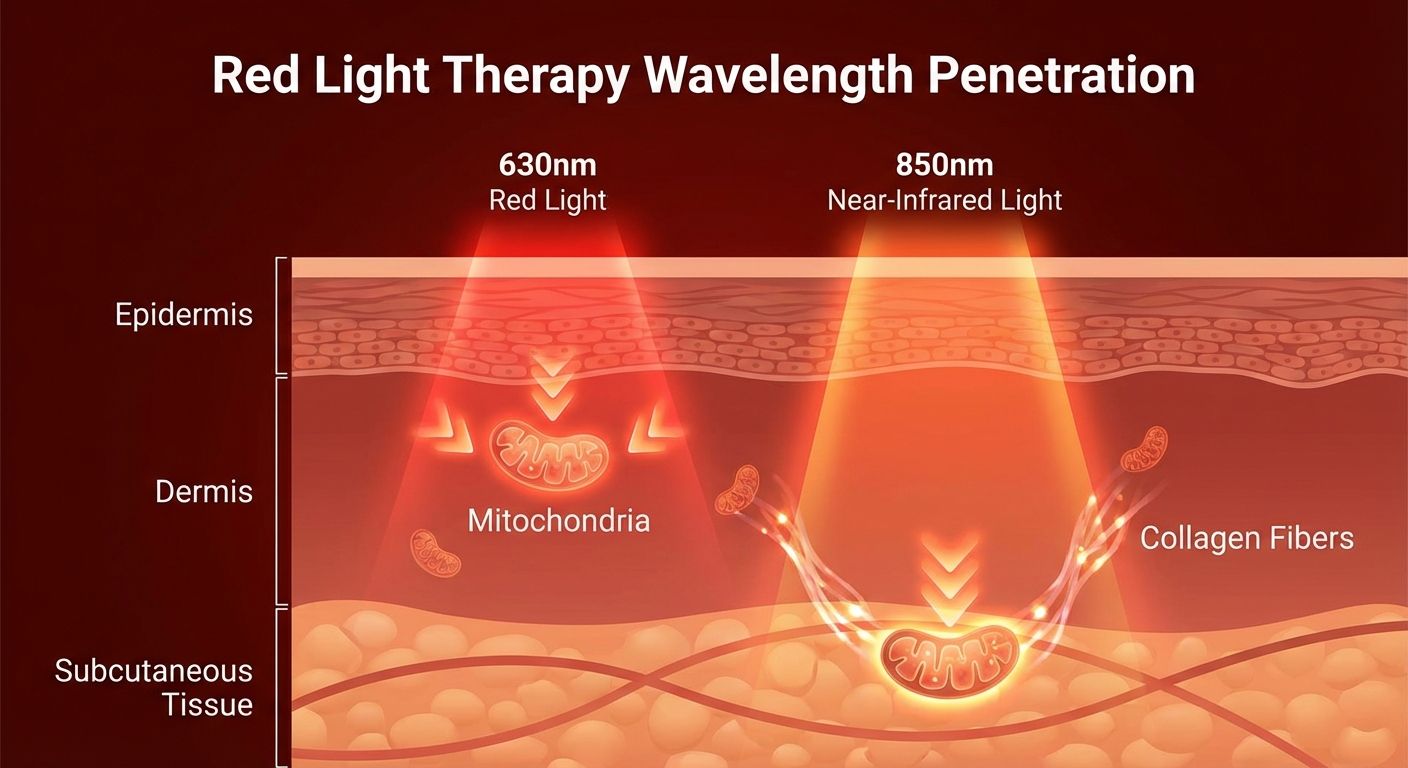
Wavelengths: The best panels offer both red (630–660nm) and near-infrared (810–850nm) wavelengths. Red light targets skin-level concerns while NIR penetrates deeper for joints, muscles, and systemic benefits. For a detailed wavelength breakdown, see our wavelength comparison guide.
Treatment Area: Panels range from tabletop size (treating one body area at a time) to full-body (treating torso and legs simultaneously). Bigger panels cost more but dramatically reduce total treatment time.
EMF Emissions: Low electromagnetic field output matters for a device you stand near for 10–20 minutes daily. Quality manufacturers test and publish EMF readings at treatment distance.
Warranty and Support: Panels are a significant investment ($300–$1,500+). Look for at least a 2-year warranty and responsive customer support.
#1 Joovv Solo 3.0 — Best Overall Full-Body Panel
Rating: 4.8/5 | Price: $$$$
Joovv pioneered the consumer red light therapy panel market and the Solo 3.0 represents their most refined product. It delivers dual-wavelength therapy (660nm + 850nm) with industry-leading build quality.
Key Specs: Power density of 115+ mW/cm² at 6 inches, modular design allowing you to connect multiple units for full-body coverage, ambient light detection for consistent dosing, low EMF output (verified by third-party testing), built-in timer and treatment modes, and a 2-year warranty.
Strengths: The modular system means you can start with one panel and expand later. Build quality is premium — machined aluminum housing, medical-grade LEDs, and a quiet cooling system. The companion app tracks treatment sessions and dosage.
Weaknesses: The most expensive option by a significant margin. You're paying for the brand, the build, and the ecosystem.
Best For: Buyers who want the best build quality and don't mind paying a premium, especially those planning to build a modular full-body setup over time.
#2 PlatinumLED BIO Series — Best Power Density
Rating: 4.7/5 | Price: $$$
PlatinumLED consistently delivers the highest raw irradiance in independent testing, making their BIO series panels the choice for users who prioritize power.
Key Specs: Power density of 130+ mW/cm² at 6 inches (highest in class), five wavelength options (630, 660, 810, 830, 850nm), near-zero EMF at treatment distance, modular and stackable design, and a 3-year warranty (best in class).
Strengths: The five-wavelength approach covers a broader therapeutic range than dual-wavelength competitors. Independent third-party testing consistently confirms their irradiance claims. The 3-year warranty is the longest in the industry.
Weaknesses: The fan can be audible during sessions. The design is more utilitarian than Joovv — functional but not as polished.
Best For: Power-focused users who want the highest irradiance per dollar, especially those interested in deep-tissue benefits like joint pain and muscle recovery.
#3 Mito Red Light MitoPRO Series — Best Mid-Range Value
Rating: 4.5/5 | Price: $$
Mito Red offers a compelling balance of performance and price, delivering clinical-grade specifications at a lower cost than premium competitors.
Key Specs: Power density of 100+ mW/cm² at 6 inches, dual-wavelength (660nm + 850nm) with optional multi-wave models, modular and linkable design, low EMF verified, and a 2-year warranty.
Strengths: The price-to-performance ratio is excellent. Their Enhanced series adds 630nm and 830nm wavelengths at a modest price increase. Active customer community and responsive support.
Weaknesses: Slightly lower irradiance than PlatinumLED and Joovv. Build quality is good but not premium-tier.
Best For: Budget-conscious buyers who want proven performance without paying for top-tier branding. Great first panel for someone new to full-body light therapy.
#4 Rouge Red Light Therapy — Best Budget Option
Rating: 4.3/5 | Price: $$
Rouge has carved out a niche as the value leader, offering solid specifications at the most accessible price point in the clinical-grade category.
Key Specs: Power density of 90–100 mW/cm² at 6 inches, dual-wavelength (660nm + 850nm), tabletop and full-body sizes available, low EMF, and a 2-year warranty.
Strengths: The most affordable entry point into clinical-grade full-body light therapy. Frequent sales and bundle deals improve value further. Solid customer reviews for reliability.
Weaknesses: Lower irradiance means slightly longer treatment times. Limited advanced features compared to Joovv or PlatinumLED.
Best For: First-time buyers who want to try full-body red light therapy without a major financial commitment.
#5 Hooga Red Light Therapy — Best Compact Panel
Rating: 4.2/5 | Price: $
Hooga offers the most affordable entry point for users who want a targeted panel rather than full-body coverage.
Key Specs: Power density of 80–95 mW/cm² at 6 inches, dual-wavelength (660nm + 850nm), compact tabletop designs, lightweight and portable, and a 1-year warranty.
Strengths: Very affordable. The compact size works well for targeted treatment of face, knees, shoulders, or specific problem areas. Easy to store and travel with.
Weaknesses: Smaller treatment area means more time for full-body coverage. Lower irradiance. Shorter warranty.
Best For: Users who want targeted therapy for specific areas rather than full-body treatment, or those testing the waters before investing in a larger panel.
How to Use a Red Light Therapy Panel
Proper usage maximizes your results regardless of which panel you choose:
Distance: Position yourself 6–12 inches from the panel surface. Closer means higher dose; farther means broader coverage with lower intensity.
Duration: 10–15 minutes per treatment area at 6 inches for panels with 100+ mW/cm². Lower-powered devices may need 15–20 minutes. For detailed scheduling guidance, see our treatment frequency guide.
Frequency: Daily use is safe and common. Most users treat 5–7 times per week during active treatment phases, then reduce to 3–4 times weekly for maintenance.
Eye Protection: Wear the provided goggles, especially with near-infrared wavelengths that you can't see but still reach the retina. Review our safety guide for full precautions.
Bare Skin: Remove clothing over the treatment area. Fabric blocks light penetration. No lotions or sunscreen before treatment.
Panels vs. LED Face Masks: Which Do You Need?
If your primary concern is facial skin — wrinkles, acne, pigmentation — an LED face mask may be more convenient and cost-effective. Panels become the better choice when you want full-body benefits (joint health, muscle recovery, systemic anti-inflammation), need to treat large areas (back, legs, torso), want the highest power density available, or plan to use light therapy for multiple family members.
Many serious users own both: a face mask for daily convenience and a panel for full-body sessions several times per week.
The Bottom Line
Full-body red light therapy panels represent the most versatile way to access photobiomodulation's benefits at home. The Joovv Solo 3.0 leads on build quality and ecosystem, PlatinumLED wins on raw power and warranty, Mito Red offers the best performance per dollar, and Rouge provides the most accessible entry point. Choose based on your budget, treatment goals, and how much body area you want to cover — then commit to consistent use for 8–12 weeks before judging results.