The red light therapy device market has exploded, with options ranging from $30 Amazon finds to $2,000+ professional-grade panels. The price range alone is enough to cause analysis paralysis. This guide cuts through the marketing noise and gives you the concrete specifications to evaluate before buying. (New to light therapy entirely? Start with our evidence-based overview.)
Step 1: Define Your Treatment Goals
Your primary concern determines which device format makes the most sense:
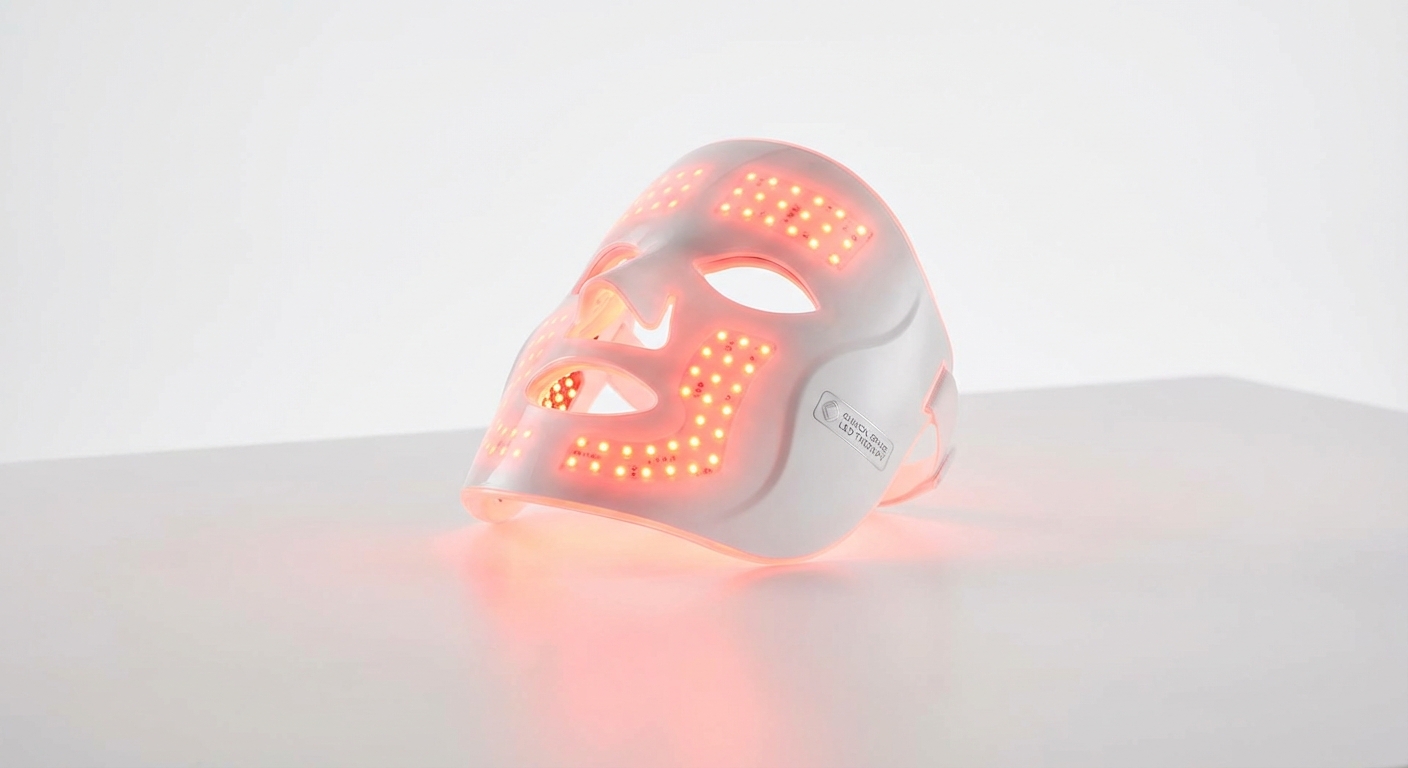
Facial Skin (wrinkles, acne, pigmentation): LED face masks offer the most convenient, hands-free facial treatment. See our ranked LED mask reviews.
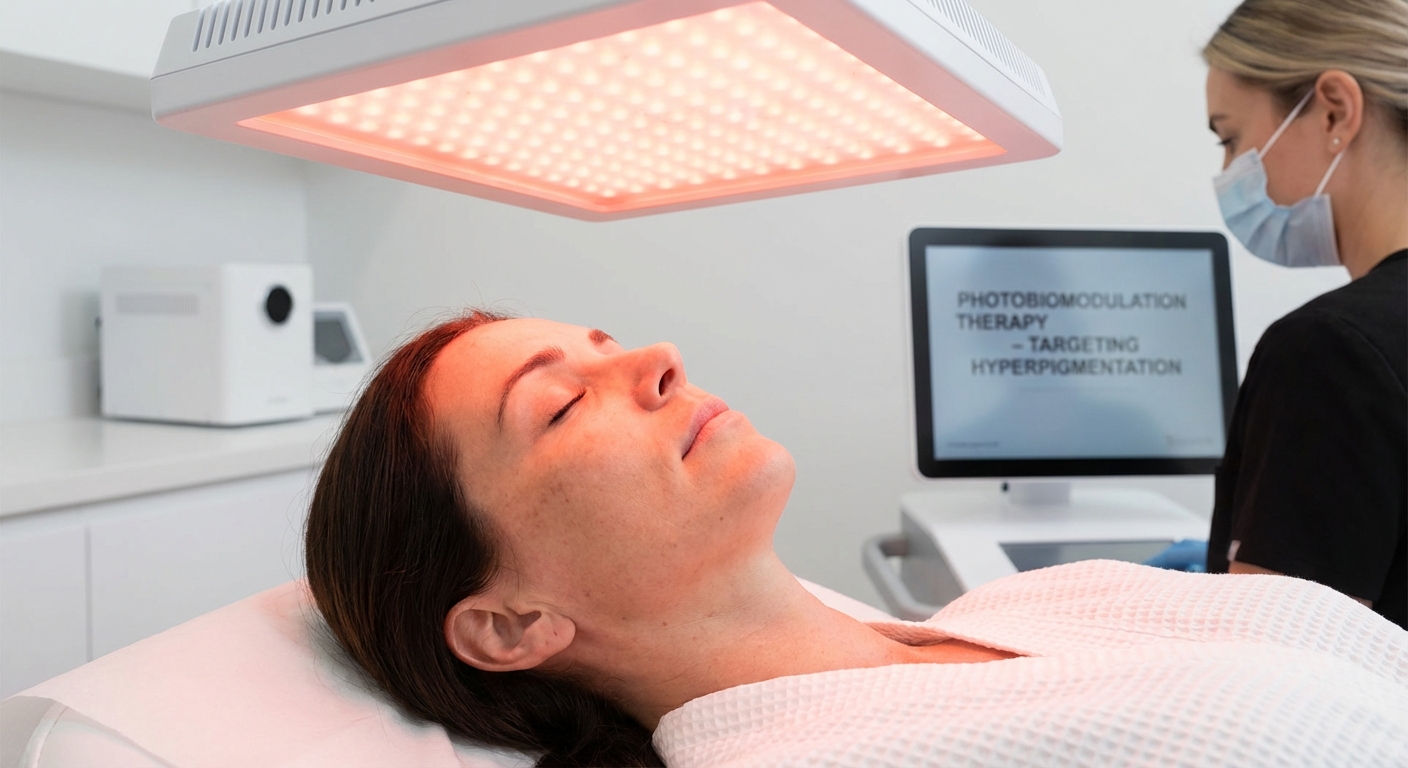
Full Body (skin + joints + muscle recovery): Full-body panels provide the most versatile treatment. See our panel buyer's guide.
Hair Growth: Dedicated laser caps or helmets offer the best scalp coverage. See our hair growth guide.
Targeted Spot Treatment (specific joints, scars, small areas): Handheld wands or compact panels work for focused application.
Step 2: Understand the Key Specifications
Wavelengths — The Most Important Spec
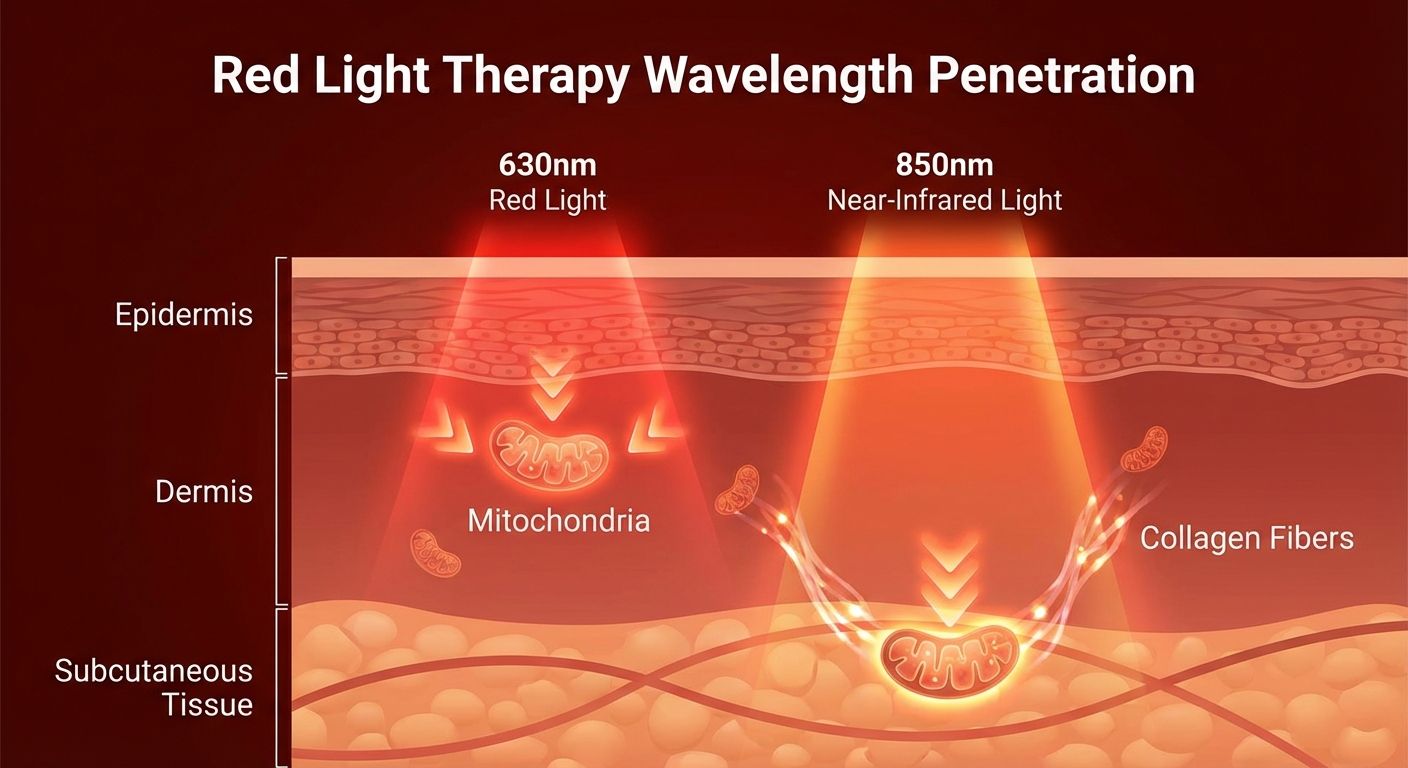
Wavelength determines what your device can actually treat. The therapeutic window for photobiomodulation falls between 600–1000nm, but specific ranges have different strengths:
630nm: Superficial skin penetration. Good for surface-level skin concerns, acne inflammation. 660nm: The "sweet spot" for skin rejuvenation — the most studied wavelength for collagen production and anti-aging. 810nm: Deep tissue penetration. Best for muscle, joint, and neurological applications. 830nm: Similar to 810nm with slightly different absorption characteristics. Strong for wound healing. 850nm: Deepest common penetration. Best for joints, deep muscle, and systemic effects.
For a detailed comparison of how these wavelengths differ, see our NIR vs. red light guide and red vs. blue light comparison.
What to look for: A quality device should specify exact peak wavelengths, not vague claims like "red light." Devices offering both 660nm and 850nm cover the broadest therapeutic range.
Power Density (Irradiance)
Measured in mW/cm² at the treatment surface, power density determines treatment time and effectiveness.
Under 30 mW/cm²: Sub-therapeutic for most applications. Many cheap Amazon devices fall here despite marketing claims. 30–60 mW/cm²: Adequate for skin treatment with longer sessions (20–30 minutes). Most consumer LED masks operate in this range. 60–100 mW/cm²: Clinical-grade for skin applications. 10–20 minute treatments. 100+ mW/cm²: Professional-grade. Full therapeutic dose in 10–15 minutes. Most quality panels achieve this.
Critical warning: Many manufacturers report irradiance at the LED surface (0 inches) rather than at treatment distance (6–12 inches). Irradiance drops dramatically with distance. Always check the measurement distance. A device claiming "200 mW/cm²" at 0 inches might deliver only 40 mW/cm² at 6 inches.
Treatment Area
Larger treatment areas mean faster full-body sessions but higher cost. Consider how you'll primarily use the device. If treating face only, a mask is most efficient. If treating multiple body areas, a half-body panel (treating one side at a time) offers good versatility. For whole-body treatment, full-height panels or modular systems minimize total session time.
EMF Emissions
Electromagnetic field output matters because you stand close to the device for extended periods. Quality manufacturers test EMF at treatment distance and publish results. Look for readings under 0.5 μT at 6 inches. Avoid devices that don't disclose EMF data.
Build Quality and Cooling
LEDs generate heat that must be managed. Cheap devices with poor heat dissipation experience LED degradation over time, meaning your device loses power (and effectiveness) faster. Look for aluminum housing (better heat dissipation than plastic), active cooling fans (quiet is better), and quality LED chips from reputable manufacturers.
Step 3: Evaluate Certifications and Claims
FDA Clearance: An FDA-cleared device (Class II medical device) has demonstrated safety and efficacy for specific claims. This is meaningful — it requires clinical data submission. However, many effective devices are marketed as "wellness" products and aren't FDA-cleared, which doesn't necessarily mean they don't work.
Third-Party Testing: Independent irradiance testing is the gold standard. Manufacturers who commission third-party testing and publish the results are more credible than those who self-report specifications.
Flicker Rate: LEDs can pulse at rates that may cause eye strain or headaches. Quality devices operate at flicker rates above 500Hz or use constant-current drivers that eliminate flicker entirely.
Step 4: Avoid Common Pitfalls
Don't buy based on LED count alone. "100 LEDs" means nothing without power density data. Cheap LEDs at low power won't deliver therapeutic doses regardless of quantity.
Don't trust reviews blindly. Many Amazon red light therapy product reviews are incentivized or fake. Look for reviews from verified purchasers who describe specific results over time, not generic praise.
Don't assume expensive = better. The $2,000 device isn't necessarily twice as effective as the $1,000 one. Compare specifications, not price tags.
Don't skip eye protection. Even devices marketed as "eye-safe" warrant goggles, especially those with near-infrared wavelengths. Read our safety guide for complete precautions.
Budget Framework
Under $100: Entry-level LED masks and small handheld devices. Adequate for trying light therapy but typically low power. Expect longer treatment times and slower results.
$100–$300: Quality LED face masks and small panels. Good for dedicated facial treatment or targeted body areas. This is the sweet spot for most beginners.
$300–$700: Mid-size panels and premium masks. Clinical-grade power for faster treatments. Good for users committed to regular, multi-area treatment.
$700–$1,500+: Full-body panels and modular systems. The investment makes sense for users treating multiple concerns, families sharing a device, or those wanting the shortest possible treatment times.
Our Device Recommendations
We've done in-depth reviews across the main device categories. For LED face masks, see our ranked LED mask reviews. For full-body panels, see our panel buyer's guide. For a detailed comparison of the top three masks, see our Solawave vs Omnilux vs CurrentBody comparison (coming soon).
The Bottom Line
Choosing a red light therapy device comes down to matching specifications to your treatment goals and budget. Prioritize wavelength accuracy (660nm and/or 850nm), adequate power density (60+ mW/cm² at treatment distance), and reputable manufacturing — in that order. The best device is one you'll actually use consistently, so factor in convenience and treatment time when making your decision.