Hair loss affects roughly 50 million men and 30 million women in the United States alone, and the search for effective, non-pharmaceutical treatments has driven significant research into red light therapy for hair regrowth. Also known as low-level laser therapy (LLLT) or photobiomodulation, this approach uses specific wavelengths of light to stimulate hair follicles at the cellular level. Here's what the evidence actually supports. (For broader context on how light therapy works, see our evidence-based overview.)
How Red Light Therapy Stimulates Hair Growth
The biological mechanism behind light-stimulated hair growth involves several pathways that overlap with the skin benefits of photobiomodulation:
Increased Cellular Energy: Red and near-infrared light are absorbed by cytochrome c oxidase in hair follicle cells, boosting ATP production. Hair follicles are among the most metabolically active structures in the body, and increased cellular energy supports the anagen (growth) phase of the hair cycle.
Improved Scalp Circulation: Photobiomodulation stimulates nitric oxide release and angiogenesis, increasing blood flow to the scalp. Better circulation delivers more oxygen and nutrients to follicles while removing metabolic waste that can impair growth.
Anti-Inflammatory Effects: Chronic scalp inflammation contributes to follicle miniaturization and hair thinning. Red light reduces pro-inflammatory cytokines, creating a healthier environment for hair growth.
Extended Anagen Phase: Research suggests that photobiomodulation can shift hair follicles from the telogen (resting) phase into the anagen (growth) phase and prolong the growth cycle, resulting in thicker, longer hair strands.
Stem Cell Activation: Hair follicle stem cells in the bulge region appear to be responsive to red light stimulation, which may help reactivate dormant follicles that have stopped producing visible hair.
What the Clinical Evidence Shows
Unlike many alternative hair loss treatments, red light therapy for hair growth has a meaningful body of clinical research, including several randomized controlled trials:
A 2014 meta-analysis published in Lasers in Surgery and Medicine reviewed 11 studies and concluded that LLLT significantly increased hair density compared to sham devices. A large 2017 randomized controlled trial with 225 participants found that red light therapy at 650nm produced a 37% increase in hair count after 16 weeks compared to placebo. Multiple studies confirm the treatment is well-tolerated with minimal side effects across both men and women. The FDA has cleared several red light therapy devices specifically for hair growth (Class II medical devices), which requires demonstration of both safety and efficacy.
The evidence is strongest for androgenetic alopecia (pattern hair loss) in both sexes. Research on alopecia areata (autoimmune hair loss) and other forms of hair loss is more limited but shows early promise.
Effective Wavelengths for Hair Growth
Not all wavelengths are equally effective for hair stimulation. Research supports:
650–670nm (Red): The most studied range for hair growth. Penetrates the scalp to reach follicle stem cells and the dermal papilla. Most FDA-cleared hair growth devices use wavelengths in this range.
810–850nm (Near-Infrared): Penetrates deeper than red light, potentially reaching follicles in thicker scalp areas. Some research suggests combining red and NIR wavelengths produces superior results. For a detailed comparison, see our NIR vs. red light therapy guide.
Blue Light (415nm): Not effective for hair growth stimulation. Blue light addresses acne-related scalp conditions but doesn't interact with follicular growth pathways. See our red vs. blue light comparison.
Types of Hair Growth Devices
Laser Caps and Helmets: The most popular format for hair-specific treatment. FDA-cleared options like iRestore and Capillus contain dozens to hundreds of laser diodes and LEDs arranged to cover the entire scalp. Treatment times are typically 15–30 minutes, 3–4 times per week.
Handheld Combs: Laser combs like the HairMax LaserComb were among the first FDA-cleared LLLT devices for hair loss. They require manual movement across the scalp, which makes coverage less consistent than caps but they're more affordable.
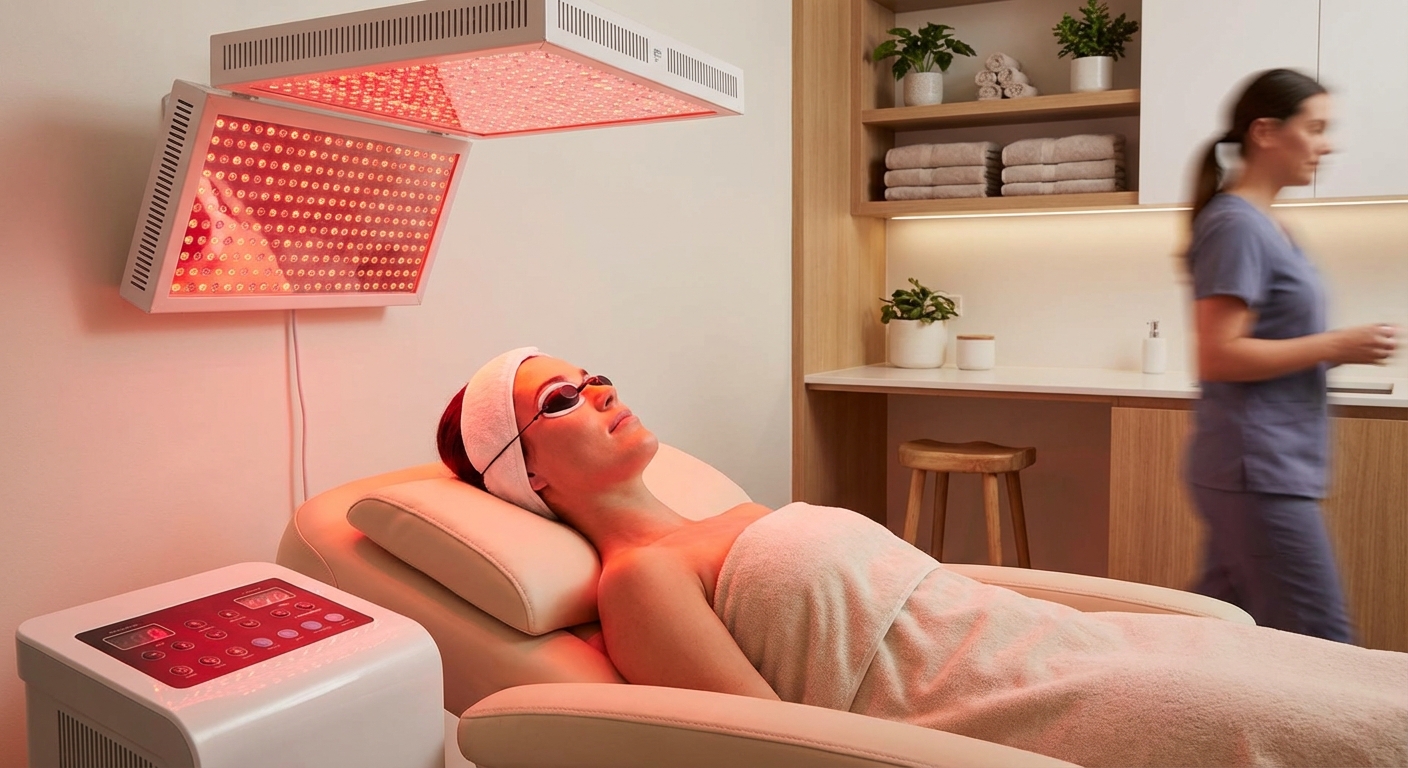
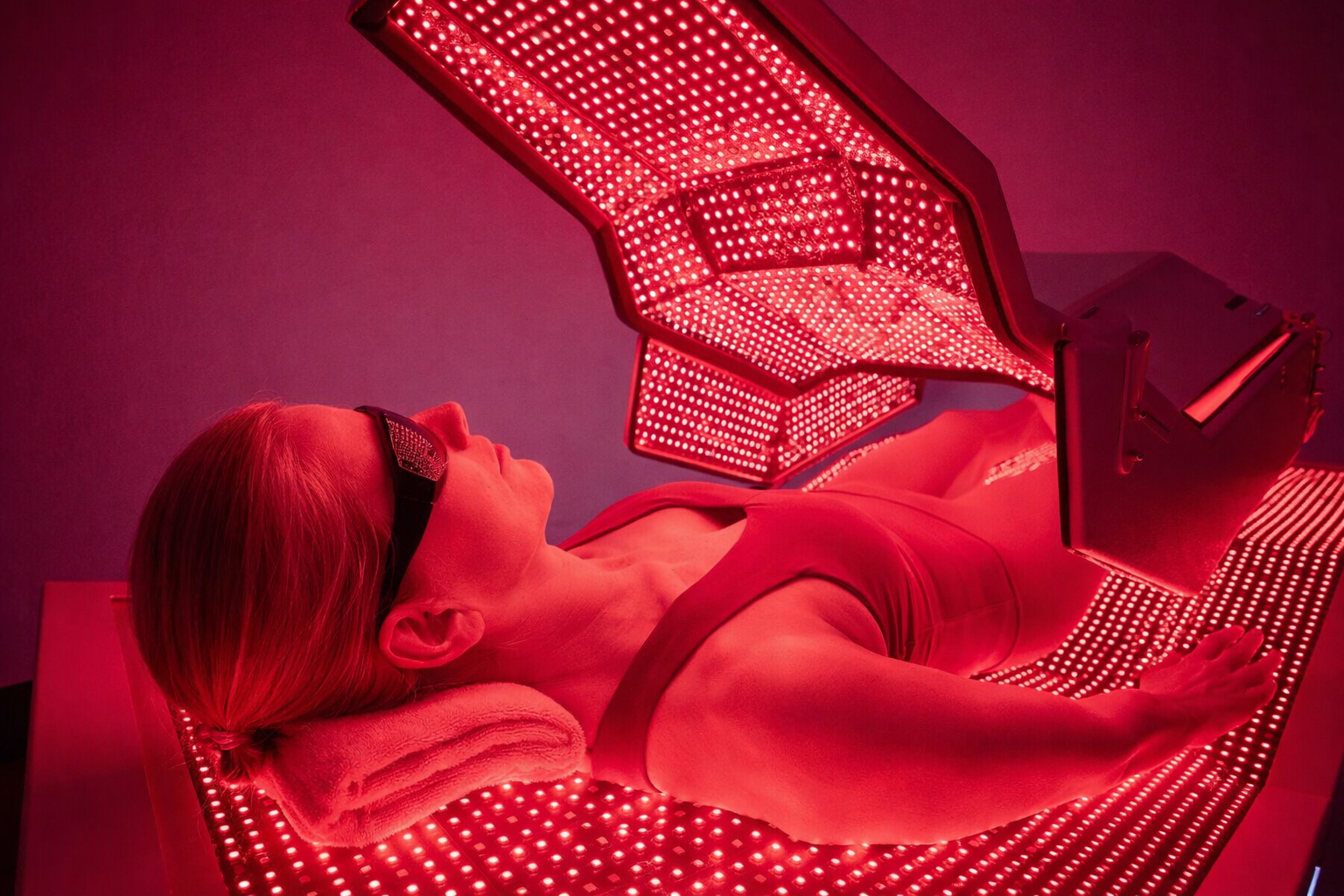
Full-Body Panels: If you already own a red light therapy panel for skin or joint benefits, you can use it for scalp treatment by positioning your head 6–12 inches from the panel. The coverage won't be as uniform as a dedicated cap, but the wavelengths are therapeutically valid. See our panel buyer's guide.
Treatment Protocol for Hair Growth
Frequency: Most clinical protocols use 3–4 sessions per week (every other day). Unlike skin treatments where daily use is common, hair follicle cycling may benefit from rest days between sessions. For broader treatment frequency insights, see our frequency guide.
Duration: 15–30 minutes per session for caps and helmets. 10–15 minutes per area for panels.
Timeline for Results: Hair growth is slow by nature. Expect reduced shedding by weeks 8–12, visible new growth (vellus hairs) by months 3–4, noticeable thickening and density improvement by months 5–6, and continued improvement through month 12. Most clinical trials run 16–26 weeks, and the best results are seen with longer-term consistent use.
Maintenance: Hair loss is typically progressive. Once you achieve desired results, ongoing maintenance sessions (2–3 times per week) are recommended to sustain growth.
Who Sees the Best Results?
Research suggests the best candidates for red light therapy hair growth are people with early to moderate pattern hair loss (Norwood stages II–V for men, Ludwig stages I–II for women), those with thinning hair rather than completely bald areas (miniaturized follicles respond better than dead ones), younger patients whose follicles have been dormant for shorter periods, and people who can commit to a consistent 6+ month protocol.
If your follicles have been dormant for many years or the scalp is completely smooth and shiny (indicating the follicles are gone rather than miniaturized), red light therapy is unlikely to produce regrowth in those areas.
Combining with Other Hair Loss Treatments
Red light therapy works synergistically with established hair loss treatments:
Minoxidil: Apply after light therapy sessions. Red light increases scalp circulation, potentially improving minoxidil absorption and efficacy.
Finasteride/Dutasteride: These DHT blockers address the hormonal driver of androgenetic alopecia while red light supports follicle health from a different angle. The combination may produce superior results to either alone.
Microneedling: Scalp microneedling creates micro-channels that may enhance both light penetration and topical absorption. Some clinicians recommend microneedling weekly with red light therapy on non-needling days.
Nutrition: Iron, zinc, biotin, vitamin D, and protein are essential for hair growth. Addressing nutritional deficiencies alongside light therapy creates the foundation for optimal results.
Safety Considerations
Red light therapy for hair growth has an excellent safety profile. Side effects are rare and typically mild (temporary scalp warmth or tingling). The treatment is safe for all hair types and colors. No photosensitizing medications are contraindicated specifically for scalp use, though general caution applies. It is not recommended for active scalp infections or open wounds. For comprehensive safety information, see our light therapy safety guide.
The Bottom Line
Red light therapy for hair growth is one of the better-supported applications of photobiomodulation, with FDA-cleared devices, multiple randomized controlled trials, and a strong safety profile. It works best for early to moderate pattern hair loss, requires 4–6+ months of consistent use, and produces the best results when combined with other evidence-based treatments. If you're experiencing hair thinning, it's a legitimate option worth considering as part of a comprehensive approach.




.svg)
.jpeg)