If you're considering red light therapy, you probably want to know one thing: what will my skin actually look like after using it? The internet is full of dramatic before-and-after photos, but the reality is more nuanced. Here's an honest, research-backed timeline of what to expect. (For background on how this technology works, see our evidence-based overview of light therapy.)
Why Results Vary — and Why That's Normal
Before setting expectations, it's important to understand that red light therapy results depend on several factors: your age and baseline skin condition, the specific concern you're targeting (wrinkles vs. acne vs. pigmentation), device quality and power output, treatment consistency and protocol, and your overall skincare routine and lifestyle factors like sun exposure and hydration.
Clinical studies show statistically significant improvements across groups, but individual responses range from dramatic to modest. The people who see the best results are almost always those who use their device consistently for 12+ weeks — not those who use a more expensive device sporadically.
Week-by-Week Results Timeline
Weeks 1–2: The Foundation Phase
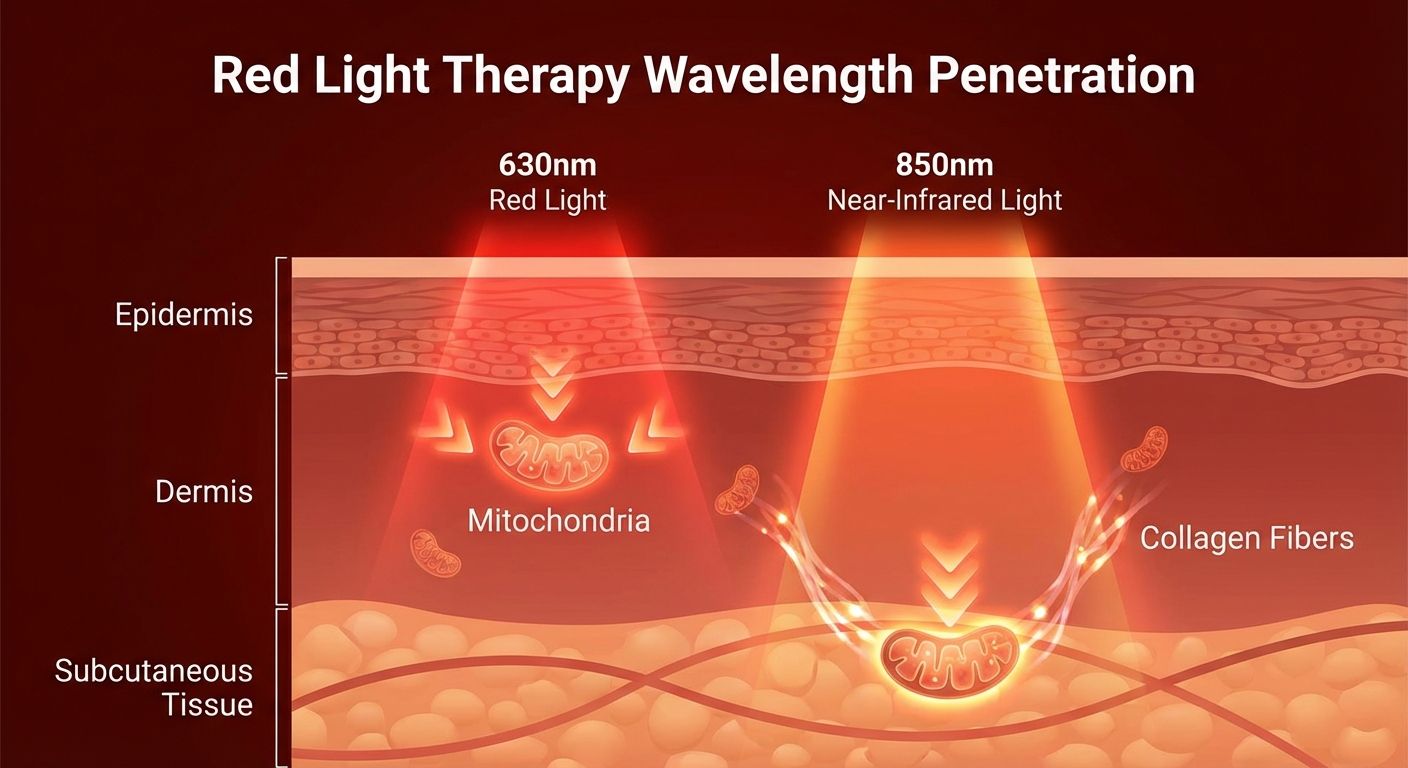
What's happening biologically: Red and near-infrared light are being absorbed by cytochrome c oxidase in your mitochondria, increasing ATP production. Cellular energy is ramping up, blood flow is improving, and anti-inflammatory pathways are activating.
What you'll notice: Most people report a subtle "glow" or improved skin radiance within the first week. This isn't collagen yet — it's increased microcirculation bringing more oxygen and nutrients to the skin surface. Some users notice their skin feels slightly smoother or more hydrated. Redness from rosacea or inflammation may begin to calm.
What you won't notice: No visible wrinkle reduction, scar improvement, or pigmentation changes yet. Collagen synthesis takes time to initiate and even longer to produce visible structural changes.
Weeks 3–4: Early Cellular Changes
What's happening biologically: Fibroblasts are now actively producing new collagen and elastin in response to consistent light stimulation. Gene expression studies show over 100 genes related to cellular repair are being upregulated. Anti-inflammatory effects are well established.
What you'll notice: Skin texture improvement becomes noticeable — smoother feel, more even tone, less rough or dry patches. Post-inflammatory hyperpigmentation (dark marks from acne) may begin fading. Inflammatory skin conditions like rosacea and eczema often show measurable improvement. For frequency guidelines during this phase, see our treatment frequency guide.
Weeks 5–8: Visible Changes Begin
What's happening biologically: New collagen fibers are maturing and integrating into the dermis. Collagen density is measurably increasing (clinical studies using ultrasound imaging confirm a 26% increase in dermal density by week 4–6). Melanocyte activity is normalizing.
What you'll notice: Fine lines appear softer and less pronounced. Skin firmness improves noticeably. Hyperpigmentation and dark spots are visibly lighter. Pore size appears reduced. Acne scarring shows early texture improvement. This is when most people become "believers" — the cumulative effects cross the threshold of visible change.
Weeks 9–12: Significant Improvement
What's happening biologically: Collagen remodeling is in full swing. The dermal matrix is restructuring with new, organized collagen replacing damaged fibers. Clinical measurements show 35–50% reduction in fine line depth and up to 47% increase in dermal density.
What you'll notice: This is the peak improvement window. Wrinkles are visibly reduced (especially crow's feet and forehead lines). Skin elasticity is noticeably better. Dark spots and PIH have faded significantly. Overall skin quality — tone, texture, radiance — is markedly improved compared to baseline. Acne scars show meaningful improvement in texture and depth.
Months 3–6: Continued Refinement
Improvements continue but at a slower pace. The dramatic changes have occurred; now you're building on them. Many users transition to a maintenance protocol (3–4 sessions per week instead of daily) and find that results hold steady. Research shows improvements persist for at least one month after stopping treatment entirely, indicating lasting structural changes rather than temporary effects.
Results by Skin Concern
Fine Lines and Wrinkles
Clinical trials consistently show measurable wrinkle reduction by weeks 8–12. A controlled study found 38% reduction in crow's feet depth after 12 weeks of twice-weekly professional treatments. At-home devices typically require daily use over the same period for comparable results. Read our complete guide to LED therapy for wrinkle reduction.
Acne and Breakouts
Blue light (415nm) addresses active acne faster than red light, often showing improvement within 4–6 weeks. Red light's anti-inflammatory benefits complement acne treatment but don't directly kill bacteria. For most acne sufferers, a dual-wavelength device offers the best of both worlds. See our red vs. blue light comparison.
Hyperpigmentation and Dark Spots
PIH from acne typically responds within 6–8 weeks. Melasma is more stubborn and may take 12+ weeks with modest improvement. Sun spots show gradual fading over 8–12 weeks. Read our dedicated hyperpigmentation guide.
Acne Scars
The slowest to improve due to the structural nature of scarring. Expect 12–16+ weeks for meaningful changes. Shallow rolling scars respond best; deep ice pick scars respond minimally to light therapy alone. See our acne scar treatment guide.
How to Maximize Your Results
Be consistent above all else. The single biggest predictor of results is adherence to a regular schedule. A $200 device used daily will outperform a $500 device used twice a week.
Always treat clean skin. Makeup, sunscreen, and serums block light penetration. Apply skincare products after your session, not before.
Protect your investment with SPF. Sun damage undoes collagen gains faster than light therapy builds them. Daily sunscreen is non-negotiable.
Layer complementary treatments. Retinoids, vitamin C, niacinamide, and peptides all complement photobiomodulation's effects. Use them after LED sessions for enhanced absorption.
Track your progress. Take photos weekly under consistent lighting — same time of day, same angle, same location. Memory is unreliable for tracking gradual changes.
What About Those Dramatic Before-and-After Photos?
Be skeptical of extreme before-and-after comparisons online. Common issues include different lighting, angles, or makeup between photos; undisclosed use of other treatments alongside light therapy; cherry-picked best-case results; and no mention of timeline or protocol.
Legitimate clinical studies use standardized photography conditions and measurement tools like ultrasound imaging and profilometry to objectively quantify changes. The results are real but typically more subtle than marketing photos suggest.
When Light Therapy Isn't Enough
Red light therapy is a powerful maintenance and enhancement tool, but it has limits. Deep structural aging may benefit more from professional treatments (RF microneedling, ablative lasers) with light therapy as an adjunct. Severe acne scarring often requires dermatological intervention. Hormonal conditions driving skin issues (melasma, hormonal acne) need to be addressed at the root cause.
Light therapy works best as part of a comprehensive approach, not as a standalone miracle. Before starting, review our safety guide to ensure it's right for your situation.
The Bottom Line
Red light therapy produces real, measurable improvements in skin quality — but they're gradual, cumulative, and require consistency. Expect to see the first signs of change at weeks 3–4, meaningful improvement at weeks 8–12, and continued refinement beyond that. The key is setting realistic expectations, committing to a regular routine, and giving your skin the time it needs to rebuild from the cellular level up.