You've heard about red light therapy. Maybe a friend swears by her LED face mask, or you've seen claims about wrinkle reduction, acne treatment, or pain relief. But you're not sure where to start, what's real, and what's marketing hype. This guide gives you everything you need to go from curious to confident.
What LED Light Therapy Actually Is (In Plain English)
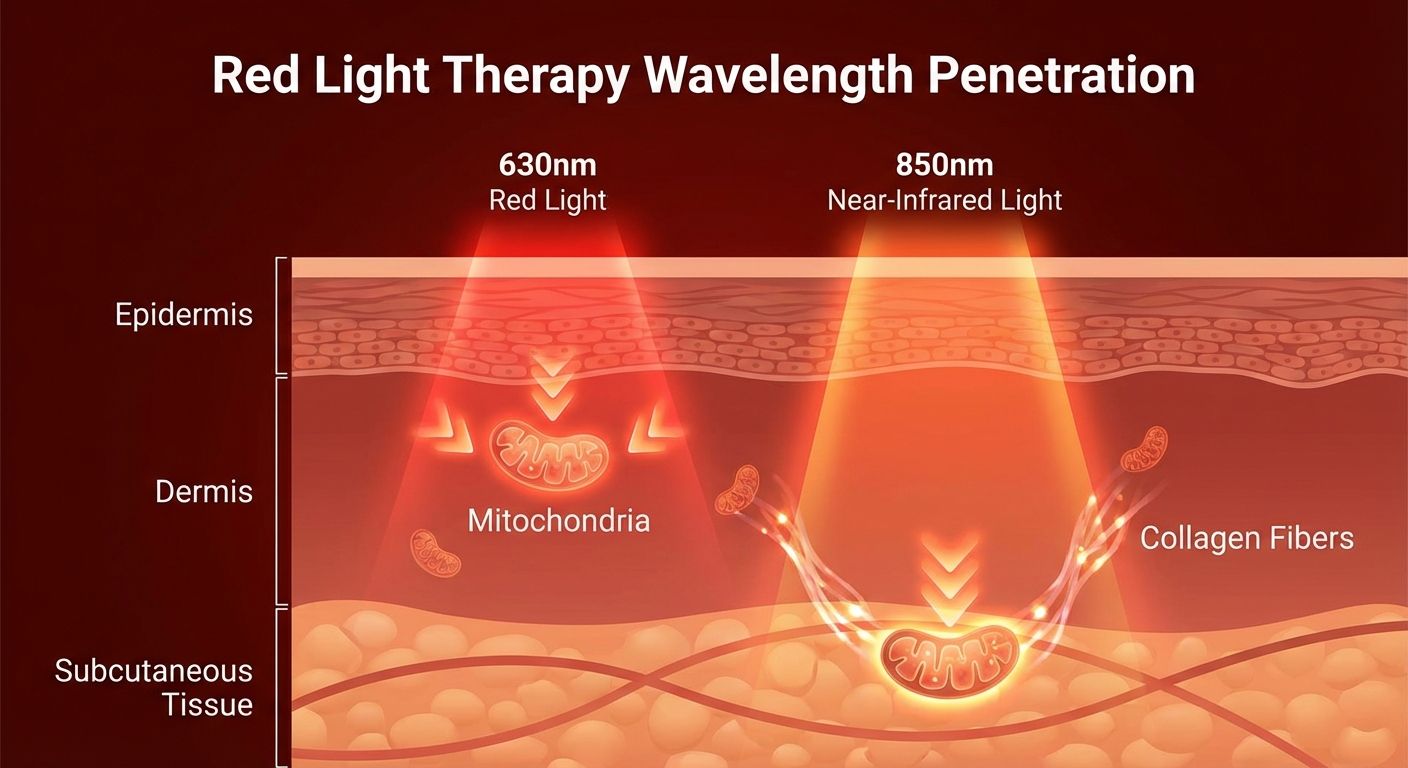
LED light therapy uses specific colors (wavelengths) of light to trigger healing responses in your cells. It's not UV light (no tanning, no skin damage), it's not a laser (no cutting or burning), and it's not heat therapy (the light itself doesn't warm you up). The technical term is photobiomodulation, and it works by energizing the powerhouses of your cells (mitochondria) to produce more energy for repair and regeneration. For a deeper scientific explanation, see our evidence-based overview.
What Can LED Light Therapy Treat?
Here's what has genuine clinical evidence behind it:
Wrinkles and Fine Lines: Red light (630–660nm) stimulates collagen production, reducing fine lines over 8–12 weeks of consistent use. This is the most extensively studied skin application. See our wrinkle reduction guide.
Acne: Blue light (415nm) kills acne-causing bacteria. Red light reduces the inflammation that makes breakouts worse. Combined, they address acne from two angles. See our red vs. blue light comparison.
Dark Spots and Uneven Skin Tone: Red light helps normalize pigment production over time. See our hyperpigmentation guide.
Acne Scars: Collagen remodeling from red light therapy can improve mild to moderate scarring over 12+ weeks. See our scar treatment guide.
Joint Pain and Inflammation: Near-infrared light (810–850nm) penetrates deep enough to reach joints, reducing pain and stiffness. See our joint pain guide.
Hair Thinning: Red light stimulates hair follicles, with FDA-cleared devices available specifically for hair growth. See our hair growth guide.
The Three Types of Devices (And Which One You Need)
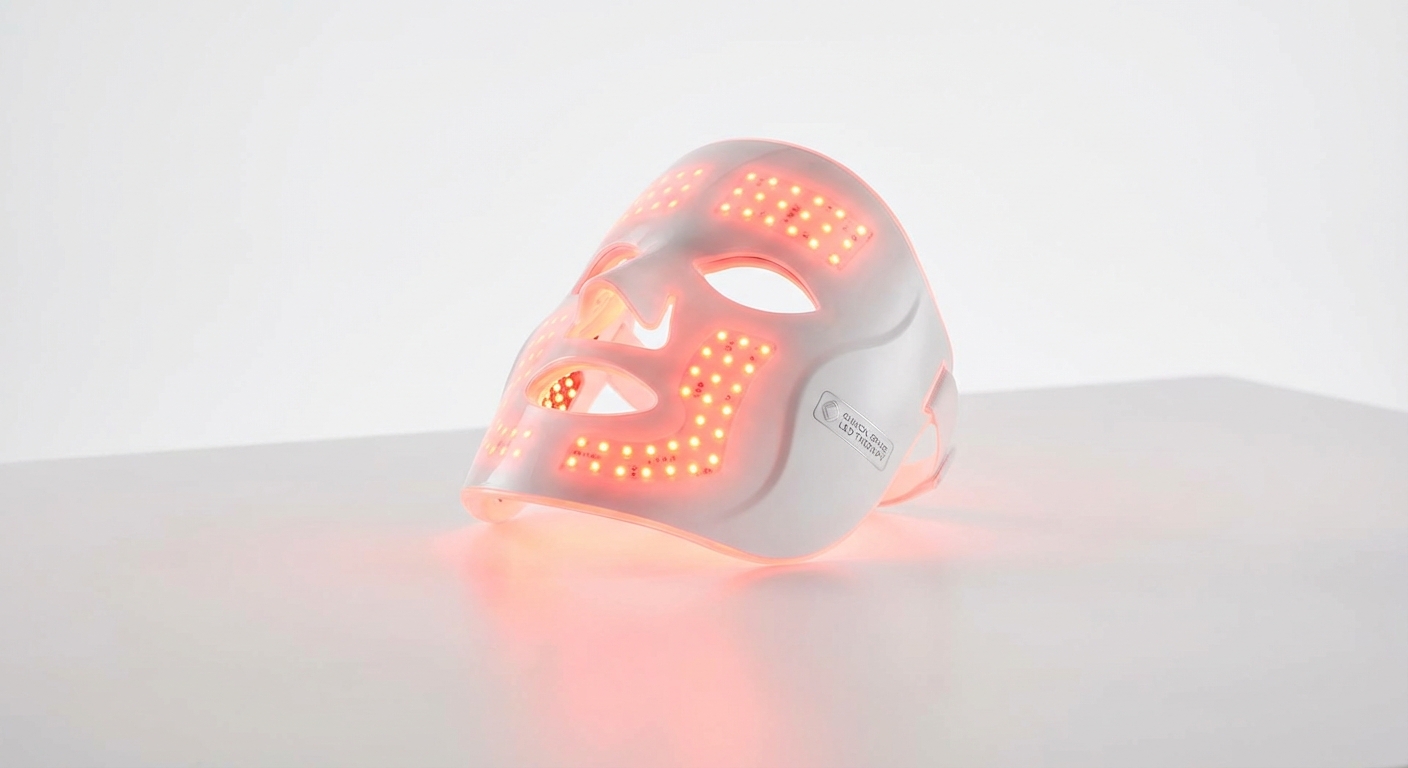
LED Face Masks
What they are: Wearable masks that cover your face with LEDs. Hands-free, convenient, designed specifically for facial skin treatment. Best for: Wrinkles, acne, pigmentation, overall facial skin health. Price range: $100–$500. See our LED mask reviews.
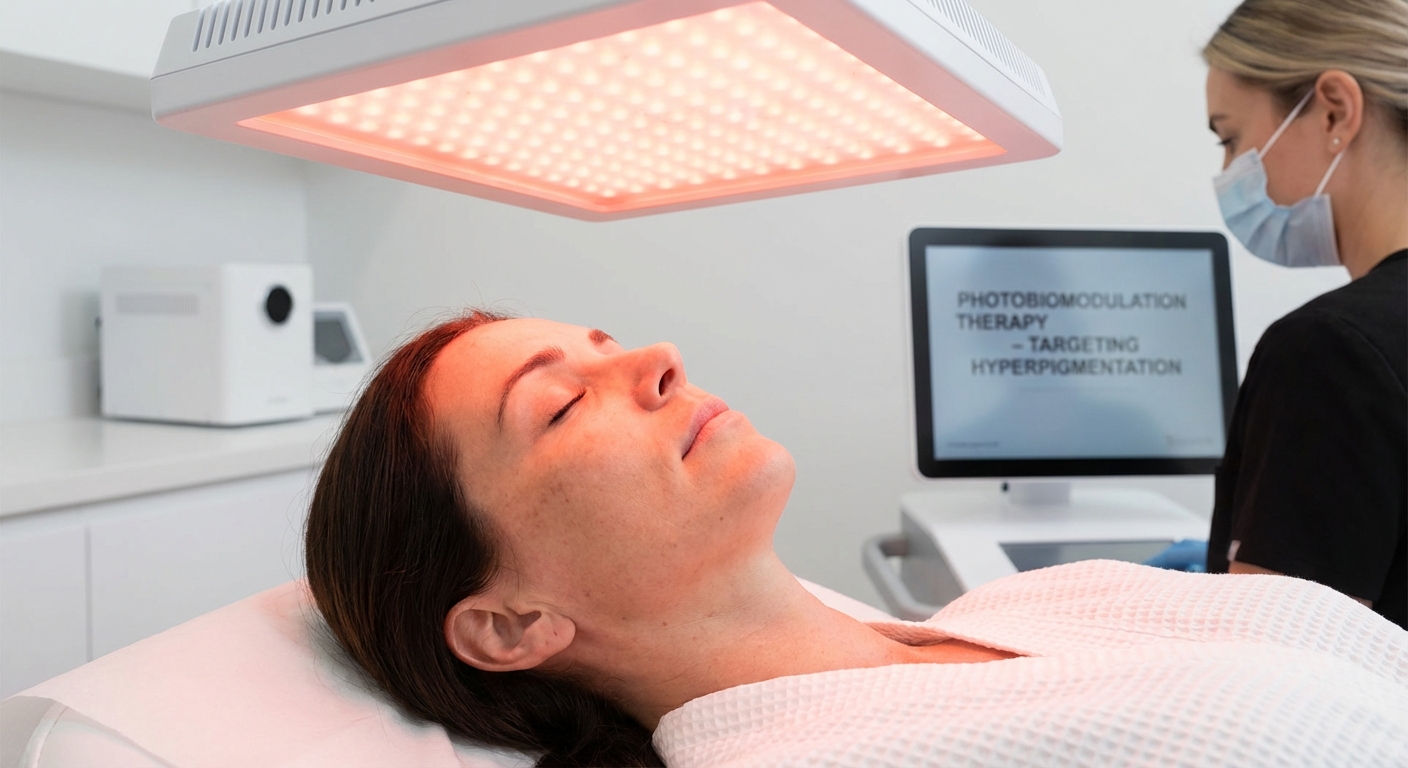
Red Light Therapy Panels
What they are: Wall-mounted or freestanding panels with arrays of high-power LEDs. Treat large body areas including face, torso, and limbs. Best for: Full-body benefits (skin + joints + muscle recovery). Price range: $300–$1,500. See our panel reviews.
Handheld Devices and Wands
What they are: Compact, portable devices for targeted spot treatment. Best for: Specific problem areas (a scar, a joint, a small patch of skin). Price range: $30–$200.
For a comprehensive breakdown of how to evaluate and choose between these options, see our complete buyer's guide.
How to Start: Your First 30 Days
Week 1: Set Up Your Routine
Choose a consistent time of day (evening works well since your skin repairs during sleep). Cleanse your face and remove all products. Use your device for the recommended time (typically 10–20 minutes). Apply serums or moisturizers after your session, not before. Take a baseline photo in consistent lighting.
Weeks 2–4: Build Consistency
Aim for 4–6 sessions per week. You'll likely notice a subtle glow and smoother skin texture by end of week 2. Don't be discouraged if you don't see dramatic changes yet — the real results are building beneath the surface. For a detailed week-by-week timeline of what to expect, see our before-and-after results guide.
Month 2+: Stay the Course
Visible changes in wrinkles, pigmentation, and skin firmness typically emerge between weeks 6–12. This is where consistency pays off. Take comparison photos monthly. For detailed scheduling guidance by device type, see our treatment frequency guide.
The 5 Most Common Beginner Mistakes
Mistake #1: Expecting overnight results. Light therapy works at the cellular level. Collagen production, inflammation reduction, and tissue remodeling take weeks to months. If someone promises instant results, they're selling you something.
Mistake #2: Using products before treatment. Serums, moisturizers, and sunscreen create a barrier that blocks light from reaching your skin cells. Always treat clean, bare skin.
Mistake #3: Being inconsistent. Three sessions per week for 12 weeks will dramatically outperform seven sessions per week for 3 weeks followed by quitting. Consistency beats intensity.
Mistake #4: Buying based on price or LED count. A $30 device with "150 LEDs" can deliver less therapeutic light than a $150 device with 30 high-quality LEDs. What matters is wavelength accuracy and power density at treatment distance.
Mistake #5: Skipping eye protection. Even if your device looks gentle, near-infrared wavelengths are invisible and can still reach your retina. Use the goggles your device came with, or buy a pair rated for the wavelengths you're using.
Is It Safe?
LED light therapy has an excellent safety profile with minimal side effects when used as directed. It's non-invasive, non-thermal, and backed by decades of clinical research. That said, certain medications and conditions require caution. Read our comprehensive safety guide before starting.
Quick Reference: Wavelength Cheat Sheet
Blue (415nm): Kills acne bacteria. Surface only. Red (630–660nm): Collagen, skin texture, pigmentation, wound healing. Penetrates 2–5mm. Near-Infrared (810–850nm): Deep tissue — joints, muscles, deep healing. Penetrates 5–30mm+. Invisible to the eye. For a deep dive into how these compare, see our NIR vs. red light guide.
The Bottom Line
LED light therapy is one of the most accessible, low-risk ways to improve your skin health, manage pain, and support your body's natural repair processes. Start with a device that matches your primary goal, commit to consistent use for at least 8–12 weeks, and let the biology do its work. The science is real — but so is the requirement for patience and consistency.